
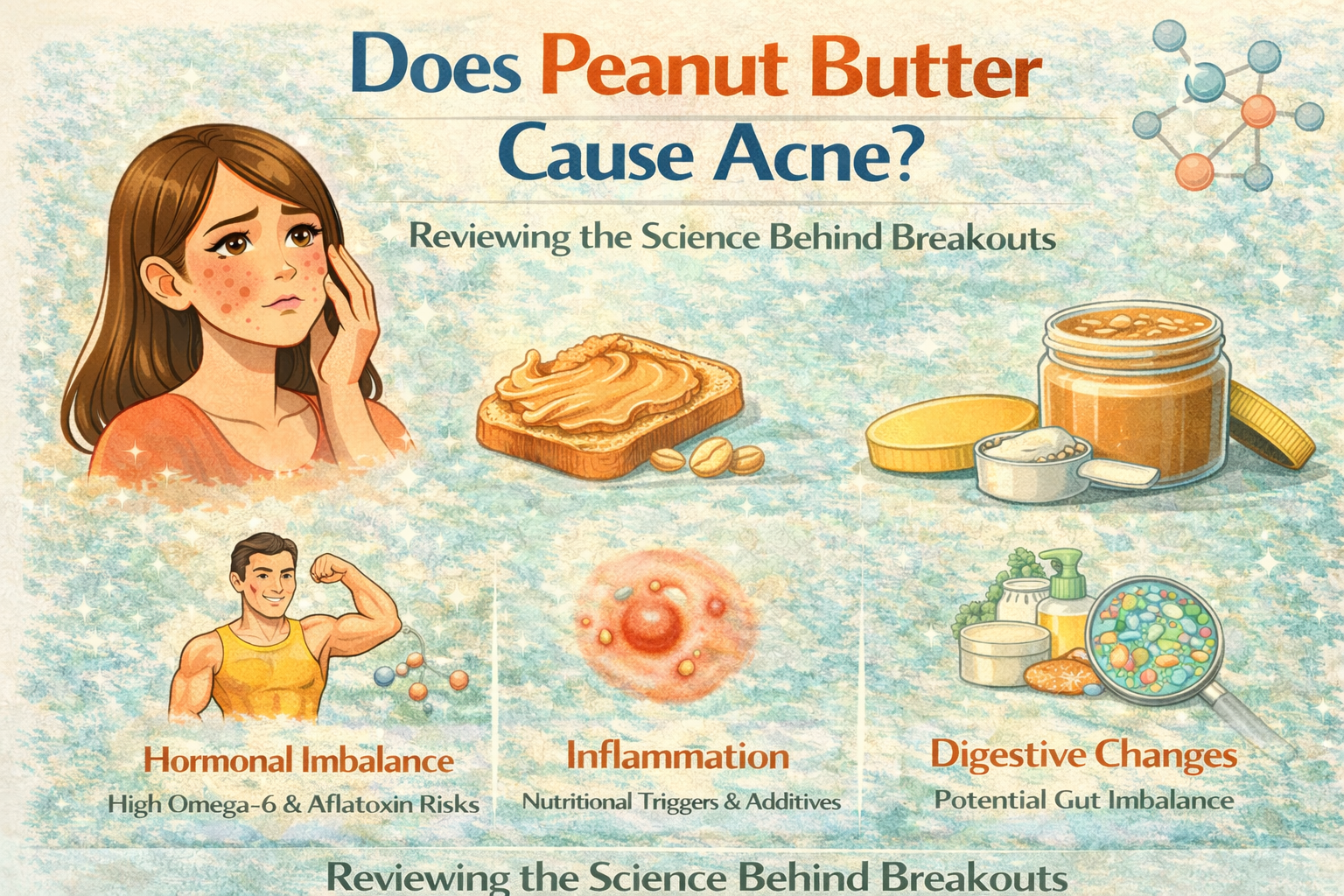
Many people with acne-prone skin or those concerned about the connection between diet and skin health wonder if peanut butter could be a hidden trigger for breakouts. If you’re struggling with persistent pimples, cystic acne, or simply want to make informed choices about what you eat, understanding the relationship between peanut butter and acne is crucial. This guide explains the science, risk factors, and safer alternatives for those concerned about breakouts.
Quick Answer: Can Peanut Butter Really Cause Acne?
If you’re wondering, "Will peanut butter cause acne?", here’s what the science says. No single 2024 clinical study proves that peanut butter directly causes acne. However, the components found in most peanut butter, high omega-6 fatty acids, added sugars, and vegetable oils, can worsen acne in people who are already acne prone.
If you have oily, hormonal acne, or inflammatory acne, or if you’ve struggled with gut issues, you’re more likely to notice acne flare ups after consuming peanut butter. The peanut butter acne connection isn’t universal, but it’s real for a subset of people.
You’re more likely to experience problems if: you eat peanut butter daily in large amounts, choose sweetened commercial brands with added oils, or already have active breakouts.
Small amounts of natural peanut butter made with just peanuts and salt are usually tolerated better than sweetened, hydrogenated commercial brands. The easiest way to test whether peanut butter is a personal trigger for you? Avoid it completely for 3–4 weeks while tracking your breakouts in a skin diary.
What’s Inside Peanut Butter That Could Affect Your Skin?
The potential link between peanut butter and acne comes from specific ingredients, not from peanut butter as a whole food. Understanding what’s actually in that jar helps explain why some people experience breakouts while others don’t.
Most commercial peanut butter contains:
- Roasted peanuts (the base ingredient)
- Sugar, molasses, or corn syrup (1–3g per tablespoon in many brands)
- Salt
- Hydrogenated vegetable oils like soybean oil, canola oil, or cottonseed oil
- Sometimes palm oil as a stabilizer
Peanuts themselves are legumes (not true nuts) and are naturally high in omega-6 fatty acids, lectins like peanut agglutinin, and small amounts of compounds that may influence hormone activity. Omega-6 fatty acids are a type of polyunsaturated fat that, when consumed in excess relative to omega-3s, can promote inflammation in the body. Lectins are natural plant proteins, and peanut agglutinin is a specific type of lectin found in peanuts.
A typical serving delivers around 4–5g of omega-6 fats with minimal omega-3s to balance them out.
The difference between natural peanut butter and mainstream brands matters significantly. Natural varieties typically contain only ground peanuts (and sometimes salt), while most jars on supermarket shelves add sugar and stabilizing oils that can compound the skin health concerns.

Does Peanut Butter Really Cause or Worsen Acne?
Acne vulgaris is multifactorial, your genetics, hormones, skincare routine, stress levels, and diet all interact to determine whether you break out. No single food is ever the sole cause of acne, but certain foods can absolutely exacerbate acne in susceptible individuals.
Controlled studies directly examining “peanut butter and acne” don’t exist. However, broader research links high omega-6 intake, high glycemic foods, and certain oils with increased acne risk. The mechanisms are well-established: inflammation, hormonal shifts, and increased sebum production all play documented roles in acne development.
For some people, regular peanut butter intake can worsen inflammatory pimples on the cheeks, chin, and jawline within 1–2 weeks. For others, there’s no change at all, they can eat peanuts daily without any impact on their skin acne.
A real-world example: Consider someone who eats 2–3 tablespoons of commercial peanut butter daily in smoothies or sandwiches. They notice recurring cystic acne along their jawline that clears significantly after cutting peanut butter for one month. When they reintroduce it, the deep, painful breakouts return within 3–5 days. That’s a clear pattern worth respecting.
If you notice breakouts appearing 1–3 days after eating peanut butter consistently, consider it a potential personal trigger worth investigating.
Which Peanut Butter Components Are Most Likely to Trigger Acne?
Several components in peanut butter work together to potentially worsen acne: fats, sugars, lectins, and additives. These don’t affect everyone equally, but understanding each helps you make informed choices.
The four key components to watch are:
- Omega-6 fatty acids (the dominant fat in peanuts)
- Lectins/peanut agglutinin (plant proteins that may affect gut health)
- Added sugars (raising blood sugar and insulin)
- Added vegetable/hydrogenated oils (compounding the omega-6 load)
These substances affect skin health through three main pathways: chronic inflammation, hormonal shifts involving insulin and androgens, and potential gut health disruption. Let’s examine each component in detail.
Omega‑6 Fatty Acids and Inflammation
Peanut butter is relatively high in omega-6 linoleic acid compared with omega-3s. Omega-6 fatty acids are a type of polyunsaturated fat that, when consumed in excess relative to omega-3s, can promote inflammation in the body. This imbalance can tilt your body toward a more inflammatory state when consumed in excess, and inflammation is a core driver of acne.
Here’s a concrete data point: 1 tablespoon (about 16g) of standard peanut butter contains roughly 2–2.5g of omega-6 fatty acids. The omega-6 to omega-3 ratio in peanuts sits around 100:1, far exceeding the ideal 4:1 or lower recommended for optimal skin health.
In typical Western diets, omega-6 to omega-3 ratios already reach 15:1 or higher. Adding significant peanut butter consumption pushes this further out of balance. When omega-6 metabolites like arachidonic acid dominate, they fuel pro-inflammatory eicosanoids that can worsen comedogenesis in genetically predisposed individuals.
Chronic low-grade inflammation translates into red, swollen papules and pustules in people already prone to acne. The good news? You don’t necessarily need to eliminate peanut butter entirely.
Omega-3 foods that may help offset omega-6 from peanut butter:
- Fatty fish (salmon, mackerel, sardines)
- Flaxseed and chia seeds
- Walnuts
- Algae-based supplements
Increasing these omega-3 sources may reduce inflammation rather than requiring complete peanut butter elimination for everyone.

Lectins and Gut‑Driven Acne
Lectins are natural plant proteins, and peanut agglutinin is a specific type of lectin found in peanuts. These proteins can bind to the gut lining, potentially irritating it and contributing to increased intestinal permeability, sometimes called leaky gut syndrome, in susceptible individuals.
When the gut barrier becomes compromised, immune activation and systemic inflammation can follow. This may manifest as inflammatory acne, especially on the cheeks and forehead where gut-related breakouts often appear.
The evidence remains emerging. No large 2024 clinical trials prove peanuts cause leaky gut syndrome for everyone, but mechanistic studies support caution for sensitive people. Importantly, a 2011 study demonstrated that cooking or roasting, standard in peanut butter production, reduces lectin levels by over 90%, making this concern less significant than raw peanut consumption.
Who might be more susceptible to gut-driven acne from peanuts:
- People with IBS or regular bloating
- Those with known food sensitivities
- Individuals with diagnosed gut permeability issues
Consider someone with digestive discomfort who also experiences persistent cheek breakouts. After removing peanuts and peanut butter for 4–6 weeks, both their digestive symptoms and skin improve. Reintroduction brings back the bloating and breakouts within days. That’s a gut-skin connection worth respecting.
Added Sugar and Blood Sugar Spikes
Many commercial peanut butters contain added sugars, molasses, or corn syrup, often adding 1–3g of sugar per tablespoon. Some popular brands contain up to 7–10g of added sugars per two-tablespoon serving.
Frequent sugar intake spikes blood glucose, increasing insulin and IGF-1 (insulin-like growth factor-1). These hormonal shifts raise androgen activity and sebum production, classic pathways for insulin driven hormonal acne. The proteins in peanuts themselves don’t cause hormonal imbalances like dairy caseins might, but the added sugars in commercial brands can trigger these cascades.
The glycemic impact compounds when you eat peanuts with high glycemic foods. A peanut butter and jelly sandwich on white bread, or a sweetened peanut butter smoothie, delivers a much stronger blood sugar spike than peanut butter on whole-grain toast with apple slices.
Practical recommendations:
- Choose brands labeled “no added sugar” or “100% peanuts”
- Pair peanut butter with low-glycemic foods like whole grains, fresh fruits like apples, or vegetables like celery
- Check labels for hidden sugars: molasses, corn syrup, honey
Keep perspective here: occasional small servings of sweetened peanut butter aren’t going to ruin someone’s skin overnight. The concern is daily, heavy consumption of sugar-laden brands.
Added Vegetable Oils and Hydrogenated Fats
Many shelf-stable peanut butters use vegetable oils (soybean oil, sunflower oil, canola oil) and sometimes partially hydrogenated vegetable oils as stabilizers. These prevent the natural oil separation you see in natural brands.
These commercial peanut butter additives are typically high in omega-6 fatty acids, further promoting inflammatory pathways linked to acne when consumed in excess. You’re essentially adding omega-6 on top of the omega-6 already present in peanuts.
Hydrogenation creates trans fats, which are associated with systemic inflammation and poorer cardiovascular and overall skin health. While many countries reduced trans fats after 2018 regulations, partially hydrogenated oils still appear in some products.
How to identify cleaner options:
- Check ingredient lists for soybean oil, canola oil, or “hydrogenated” anything
- Favor jars that list only peanuts (and possibly salt) as ingredients
- Natural oil separation on top is actually a good sign—it means no added stabilizers
Those with stubborn acne should experiment with 4 weeks of avoiding peanut butter brands containing soybean or canola oil to see if their skin calms.
How to Tell if Peanut Butter Is a Personal Acne Trigger
Individual variability makes this tricky. Some people flare from a single spoonful, others only from daily heavy use, and others not at all. The only reliable way to know is systematic testing.
A simple 30-day elimination trial can clarify whether peanut butter is among your potential acne triggers:
Step-by-step protocol:
- Baseline tracking (2 weeks): Continue eating peanut butter as usual while recording daily intake, other major foods, stress levels, menstrual cycle dates (if applicable), and breakout severity on a 0–10 scale.
- Elimination phase (4 weeks): Remove ALL peanut products: peanut butter, roasted peanuts, peanut sauces, peanut snacks, foods cooked in peanut oil.
- Re-challenge (1–2 weeks): Reintroduce 1–2 tablespoons of peanut butter every other day while continuing to track.
- Evaluate: If new pimples consistently appear 1–3 days after reintroducing peanut butter, it’s likely a personal trigger.
Keep a skin and food diary noting daily peanut butter intake, other foods that might affect skin health, stress events, and breakout severity. Look for patterns over time rather than isolated incidents.
For those with severe or cystic acne, do this under guidance of a dermatologist or registered dietitian, especially if you suspect multiple potential acne triggers.
How to Treat Peanut Butter‑Associated Acne
If you suspect peanut butter consumption has worsened your acne, you can use both diet changes and direct acne treatments. Mild breakouts often start improving within 3–4 weeks after removing triggers, while deeper nodular or cystic acne can take 6–8 weeks to visibly calm.
The following strategies work together: removing triggers, maintaining good skincare hygiene, using over-the-counter topical treatments, and supporting your skin through lifestyle measures. Consistency matters more than quick fixes.
Remove or Reduce the Main Triggers
The first step is temporarily eliminating or sharply reducing peanut butter and other high-omega-6, high-sugar foods suspected to worsen acne.
Consider cutting these for 3–4 weeks:
- Peanut butter and roasted peanuts
- Mixed nuts fried in vegetable oil
- Deep-fried fast food
- Sugary snacks and sweetened beverages
- Very high-glycemic meals (white bread, pastries)
- Dairy products, especially skim milk (another common trigger)
Replace these with lower-glycemic, less inflammatory options: fresh fruits, vegetables like sweet potatoes, whole grains, and proteins like eggs, fish, or legumes (if tolerated). A balanced diet supports healthier skin even beyond any single food elimination.
After the trial period, reintroduce potential triggers one at a time to identify which foods truly matter for your skin. Some people discover peanut butter is fine but skim milk causes problems, or vice versa.
Important caution: Don’t overly restrict your diet without professional help, especially if you’re a teenager or have any history of disordered eating. Certain foods provide essential fatty acids and beneficial nutrients your body needs.
Maintain Good Skincare and Hygiene
A simple, evidence-based routine supports clearer skin while you adjust your diet:
Daily routine:
- Wash face twice daily with a gentle, non-comedogenic cleanser (containing 0.5–2% salicylic acid if tolerated)
- Apply an oil-free, non-comedogenic moisturizer
- Use broad-spectrum SPF 30+ sunscreen daily, especially when using actives
What to avoid:
- Harsh scrubs or rough exfoliation
- Alcohol-heavy toners that strip the skin barrier
- Frequent touching or picking at pimples (increases inflammation and acne scars risk)
Hygiene practices that matter:
- Change pillowcases weekly
- Clean phone screens regularly
- Wash makeup brushes every 7–10 days
- Keep hands away from your face
These steps help prevent clogged pores and reduce bacterial buildup that can trigger acne breakouts.
Over‑the‑Counter Acne Treatments
For mild to moderate peanut butter-associated breakouts, over-the-counter (OTC) actives can help calm lesions while diet is adjusted. These topical treatments target acne through different mechanisms:
- Benzoyl peroxide (2.5–5%): Apply once daily in a thin layer. Kills P. acnes bacteria.
- Salicylic acid (0.5–2%): Use as a cleanser or leave-on product. Unclogs pores and reduces dead skin cells.
- Adapalene (0.1% gel): Apply nightly (where available OTC). Promotes cell turnover.
- Tea tree oil (5% diluted): Use as a spot treatment. Natural antibacterial.
- Green tea extract (in serums): Apply daily. Provides antioxidant and anti-inflammatory benefits.
Application tips:
- Start slowly (every other night) to minimize irritation
- Moisturize afterward with a non-comedogenic cream
- Don’t layer too many strong products at once, this damages the skin barrier and worsens redness
If there’s no improvement after 6–8 weeks of consistent OTC treatment plus dietary changes, see a dermatologist. Persistent or scarring acne may need prescription treatments.
Supportive Lifestyle and Home Measures
Chronic stress, poor sleep, smoking, and sedentary lifestyle can aggravate hormonal acne and inflammatory acne regardless of peanut butter intake.
Realistic targets for skin support:
- Aim for 7–9 hours of sleep per night
- Regular moderate exercise 3–5 times per week
- Stress-management practices: breathing exercises, short walks, meditation
- Stay hydrated (around 1.5–2 liters of water daily for most adults)
Simple home measures like cool compresses or fragrance-free aloe vera gel may soothe irritation, but these are not substitutes for proven acne medication.
Avoid relying solely on DIY masks or social media skincare trends for stubborn or painful breakouts. If your acne isn’t responding to diet changes and OTC treatments, seek professional help to manage acne effectively and prevent acne scars.
Alternatives to Peanut Butter for Acne‑Prone Skin
People who love peanut butter don’t necessarily have to give up spreads entirely. Testing lower-inflammatory alternatives can maintain that creamy, satisfying experience while potentially protecting your skin.
Other nut butters like almond, cashew, macadamia, and sunflower seed butter offer different fat profiles and often fewer additives. However, any nut butter can still cause issues for some individuals, personal experimentation remains key.
Emphasize choosing products labeled “no added sugar or oils” where possible to minimize omega-6 overload and blood sugar spikes.
Spread Alternatives: Almond, Cashew, and Macadamia Butters
Almond butter is rich in vitamin E and magnesium, often with a slightly lower omega-6 load per serving than peanuts when consumed moderately. Vitamin E provides antioxidant protection that may actually support skin health.
Cashew butter offers a creamy texture similar to peanut butter. It still contains omega-6 but may be better tolerated by some people who react specifically to peanuts. It’s worth testing if you love the spread experience.
Macadamia nut butter stands out as potentially one of the most skin-friendly options. It has a higher proportion of monounsaturated fats (similar to olive oil) and relatively low omega-6 content compared to peanuts.
|
Nut Butter |
Omega-6 Content |
Notable Benefits |
Texture |
|---|---|---|---|
|
Almond |
Moderate |
High vitamin E, magnesium |
Slightly grainy |
|
Cashew |
Moderate |
Creamy, mild flavor |
Very smooth |
|
Macadamia |
Low |
High monounsaturated fats |
Rich, buttery |
|
Sunflower seed |
Higher |
Nut-free alternative |
Smooth |
Tips for trying alternatives:
- Check labels to avoid added sugars, palm oil, or other vegetable oils
- Start with 1 tablespoon per day of a new nut butter for 2 weeks
- Monitor skin for changes before increasing intake
Cooking and Salad Oil Alternatives
If you’re trying to reduce acne possibly linked to omega-6 overload, adjusting peanut butter intake alone may not be enough. Your overall oil choices matter too.
Recommended oils (lower in omega-6):
- Extra-virgin olive oil (for dressings and low-heat cooking)
- Avocado oil (versatile, higher smoke point)
- Coconut oil (for baking and some cooking)
Oils to moderate or limit:
- Soybean oil
- Corn oil
- Generic “vegetable oil”
- Sunflower and safflower oil
These latter oils are often high in omega-6 fatty acids and frequently used in processed foods and restaurant cooking.
Consider preparing simple, low-oil meals using baking, steaming, or air-frying instead of deep-frying. Pair these changes with more whole foods: vegetables, fresh fruits, legumes (if tolerated), and lean proteins for a diet pattern that supports overall skin health rather than potentially worsening acne.
How Much Peanut Butter Is “Safe” If You’re Acne‑Prone?
For many people, complete lifelong avoidance isn’t necessary. The key is portion size, frequency, and product choice.
General guidelines for acne prone individuals who tolerate peanut butter:
|
Factor |
Recommendation |
|---|---|
|
Portion |
1–2 tablespoons (16–32g) per serving |
|
Frequency |
Not every day; perhaps 2–3 times per week |
|
Product |
Minimal ingredients (just peanuts and salt) |
|
Pairing |
Low-glycemic foods (whole grains, apples, celery) |
If you consistently notice repeat patterns of hormonal acne or cystic acne after consuming peanut butter, reducing or eliminating it makes sense. But if you’ve done an elimination trial and noticed no difference, moderate consumption of natural peanut butter can remain part of your diet.
After several months of improved skin and a balanced diet, consider retesting your tolerance. Bodies change, gut health improves, and foods that once caused problems sometimes become tolerable again.
Frequently Asked Questions About Peanut Butter and Acne
These FAQs address common concerns from people wondering does peanut butter cause breakouts or worsen existing skin issues. Each answer provides practical guidance for acne prone individuals.
Can Peanut Butter Make You Break Out?
Yes, peanut butter can contribute to breakouts in some people. The mechanism works through increased inflammation, sebum production, and hormonal activity triggered by omega-6 fats and added sugars. It’s the dietary intake, not topically applying peanut butter, that affects systemic inflammation and hormones.
If new pimples appear repeatedly 1–3 days after eating peanut butter, it’s likely a trigger for you specifically. Reactions vary widely, and only a structured elimination trial can confirm personal sensitivity. Some people eat peanuts daily with no skin issues whatsoever.
Does Peanut Butter Directly Clog Your Pores?
Eating peanut butter doesn’t physically smear into your pores. However, internal effects, hormone shifts, increased sebum production, and inflammation, can lead to more clogged follicles and comedones over time.
High omega-6 intake may shift sebum composition toward oilier, thicker sebum that’s more likely to block pores in acne prone skin. Comedogenicity in the traditional sense mostly applies to topical products like makeup and sunscreen, which should be labeled “non-comedogenic.”
Focus on both internal (diet) and external (skincare) triggers for best results in achieving clearer skin.
What Other Foods Commonly Trigger Acne?
Beyond peanut butter, several foods high in glycemic index or hormonal activity commonly trigger acne:
- Skim milk and low-fat dairy products
- Sugary drinks and sweets
- White bread and pasta
- Fast food (fatty foods plus refined carbs)
- Heavily processed foods and snacks
High glycemic foods raise insulin and IGF-1, while dairy products appear to affect androgen and IGF-1 signaling. Both pathways can worsen acne. Track reactions to these foods the same way you’d track peanut butter intake.
Prioritizing whole, minimally processed healthy foods generally supports clearer skin: vegetables, lean proteins, whole grains, and foods rich in omega-3s.
Is Peanut Butter Ever Good for the Skin?
Peanuts do provide protein, niacin, folate, vitamin E, and healthy fats—all of which support overall health and can indirectly benefit skin when consumed in moderation. Most peanut butter delivers around 7.7mg of vitamin E per 100g, offering antioxidant protection against oxidative stress.
Problems arise when peanut butter is heavily processed, sweetened, and eaten in large quantities in the context of an already high-omega-6, high-sugar diet. For people who don’t see breakouts from peanut butter, small portions of a natural brand can absolutely be part of a balanced, skin-friendly diet.
Remember: what’s good for one person’s skin doesn’t always translate to everyone. Personalization matters more than universal rules about which healthy foods to eat or avoid.
Summary: Peanut Butter and Acne in Perspective
Peanut butter doesn’t cause acne for everyone, but its omega-6 fats, lectins, sugars, and added oils can worsen acne in susceptible individuals. The risk increases with daily large servings, sweetened commercial brands, and diets already high in omega-6 and sugar.
The key patterns are clear: commercial brands with added sugars and hydrogenated vegetable oils pose more risk than natural peanut butter containing just peanuts and salt. Consuming peanut butter alongside high-glycemic foods compounds blood sugar effects. Individual genetics and gut health influence who reacts and who doesn’t.
Experimenting with natural brands, smaller portions, or alternative nut butters like almond butter or cashew butter can help maintain enjoyment while protecting skin. For persistent, painful, or scarring acne, see a dermatologist rather than relying solely on diet changes, professional guidance combined with lifestyle adjustments delivers the best outcomes.
Your practical takeaway: Pay attention to your own skin’s response through structured elimination testing. Adjust your peanut butter intake accordingly. Combine smart dietary choices with consistent skincare and healthy lifestyle habits. That combination, not any single change, creates the path to clearer, healthier skin.
- Learn more about foods that can cause acne
- Learn more about gut health and acne
Medical Disclaimer
This article is for informational purposes only and does not substitute professional medical advice. Always consult a qualified healthcare provider before starting supplements or changing medical treatment. These statements have not been evaluated by the Food and Drug Administration. This product is not intended to diagnose, treat, cure, or prevent any disease.


