
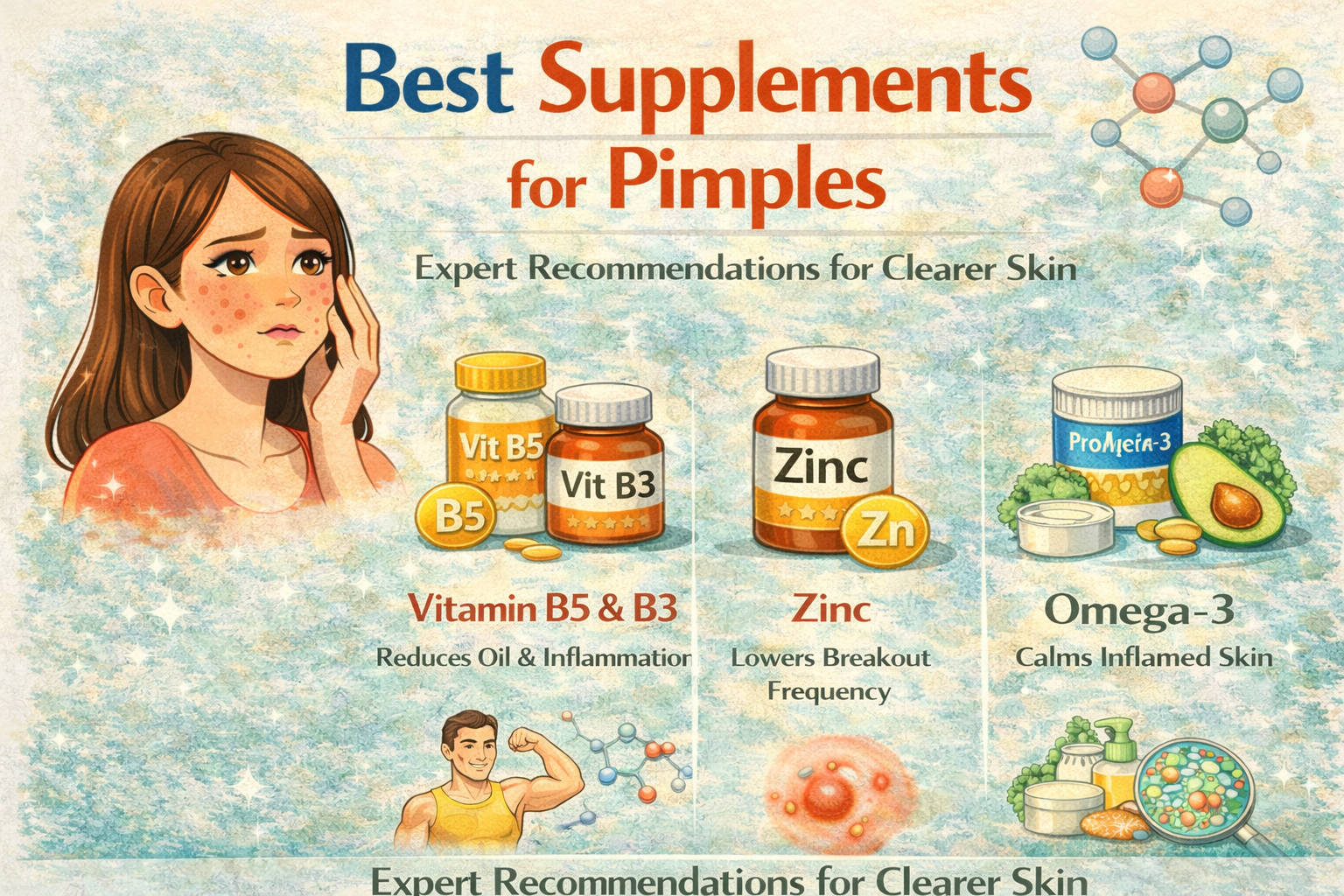
Dealing with stubborn pimples can feel like an endless battle. You’ve probably tried countless topical treatments, adjusted your skincare routine, and still wake up to new breakouts staring back at you in the mirror. This frustration has led many people to explore dietary supplements as an additional tool in their acne management arsenal.
This guide is for anyone struggling with persistent pimples and looking for evidence-based supplement options to support their skincare routine. Understanding which supplements are truly effective can save you time, money, and frustration in your acne journey.
Here’s the reality: supplements can genuinely support clearer skin when used correctly, but they’re not magic pills. The best supplements for pimples work by addressing underlying factors like inflammation, nutrient deficiencies, and hormonal imbalances. They function as adjuncts to proper skincare and, when needed, prescription medications.
In this guide, you’ll learn which supplements have real clinical evidence behind them, which ones might actually worsen your breakouts, and how to build a safe, effective routine that complements your acne treatment strategy.
Quick Answer: Best Supplements for Pimples (Start Here)
If you’re looking for the bottom line before diving into the details, here’s what the research supports: supplements can help reduce pimples when used alongside proper skincare and, when necessary, medical treatment. They’re not replacements for proven topical treatments or prescription medications, but they can provide meaningful support.
The top evidence-backed supplements for pimples include:
- Zinc (especially zinc gluconate or zinc sulfate, 15–30 mg elemental zinc per day for most adults) – the most studied mineral for inflammatory acne
- Vitamin B5 (pantothenic acid) – plays a crucial role in maintaining skin hydration and supporting wound healing and it helps the skin retain moisture by improving the skin's barrier function and may reduce acne severity by regulating oil production. Typical amounts of 250mg start to work well (reported that higher doses obtain good results).
- Omega-3 fatty acids from fish oil (EPA/DHA, approximately 1,000–2,000 mg combined per day) – helps calm red, inflamed lesions
- Probiotics with specific strains (such as Lactobacillus rhamnosus GG, Lactobacillus paracasei, or Bifidobacterium lactis) – supports the gut-skin connection
- Vitamin D (typically 1,000–2,000 IU per day) – deficiency is common in acne patients
- Vitamin A in safe dietary doses only – avoid high-dose self-supplementation due to serious toxicity risks
- Antioxidants like vitamin C and green tea extract – supportive options for skin healing and pigmentation
What to avoid or approach with extreme caution:
- High-dose preformed vitamin A supplements
- Vitamin B12 at doses exceeding 1,000 mcg daily
- Unregulated “acne detox” blends
These can worsen pimples or cause serious side effects including liver damage and, in the case of vitamin A, birth defects.
Before starting any supplement, check for interactions with your current medications. If you’re pregnant, breastfeeding, or have underlying health conditions, consult a health care professional first.
How Supplements Help Pimples: What’s Going On in Your Skin?
Pimples, also known as acne vulgaris, are a common skin condition characterized by clogged pores, inflammation, and sometimes infection, resulting in red bumps, whiteheads, blackheads, or deeper cysts.
Understanding why supplements might work requires a quick look at what actually causes pimples. Acne vulgaris develops through four interconnected processes happening in your sebaceous glands (oil-producing glands in the skin) and hair follicles.
The core mechanisms behind pimple formation:
- Excess sebum production – Your oil glands produce too much sebum, often driven by androgen hormones like testosterone.
- Abnormal skin cell turnover – Dead skin cells don’t shed properly, clogging pores and creating the perfect environment for breakouts.
- Cutibacterium acnes overgrowth – This bacteria (a type of skin-dwelling bacteria formerly known as Propionibacterium acnes) thrives in clogged, oily pores and triggers inflammation.
- Inflammatory response – Your immune system reacts to the bacteria, causing the redness, swelling, and pain of inflammatory acne.
How nutrients influence these processes:
- Oil production can be modulated by zinc and certain B vitamins.
- Skin cell turnover is strongly influenced by vitamin A and related compounds.
- Immune response and systemic inflammation respond to omega-3 fatty acids, vitamin D, and antioxidants.
- Hormonal balance, especially androgens and insulin-like growth factor (IGF-1, a hormone that can stimulate oil production), can be affected by inositol and certain minerals.
Supplements work primarily by correcting deficiencies and reducing systemic inflammation. When you’re low in zinc or vitamin D, for instance, your immune system may not regulate inflammation effectively, potentially making acne lesions more severe.
The effects are generally modest and slow compared to prescription therapies. Expect to wait 8–12 weeks before seeing meaningful improvement. Most supporting data come from small clinical trials and observational studies rather than large, definitive randomized controlled trials, so realistic expectations are essential.
Best Single-Ingredient Supplements for Pimples
This section covers the well-studied, single nutrients that dermatologists most often recommend as adjuncts for acne treatment. Each supplement is evaluated based on who it helps, typical doses used in clinical trials, documented benefits, and key safety considerations.
Where possible, specific study timeframes are referenced to give you a sense of the evidence quality. Keep in mind that even the most promising supplements work best as part of a comprehensive approach to skin health.
1. Zinc: Most-Recommended Supplement for Acne-Prone Skin
Zinc has been studied for acne since the 1970s and remains one of the most recommended mineral supplements for people with inflammatory breakouts. Multiple clinical trials support its use, and it appears in nearly every evidence-based discussion of acne supplements.
How zinc helps pimples:
Zinc works through several mechanisms relevant to acne. It reduces inflammation by modulating immune cell activity and lowering pro-inflammatory cytokines. It has antimicrobial properties that may help control Cutibacterium acnes populations. Some research suggests it can modestly reduce sebum production and support wound healing, which matters for healing acne lesions and preventing acne scars.
What the research shows:
Clinical trials using oral zinc (often zinc sulfate or zinc gluconate at 30–90 mg elemental zinc daily) have demonstrated reductions in inflammatory lesion counts for mild to moderate acne. A six-week randomized controlled trial found significant improvements in total acne lesion counts and severity scores compared to placebo. Another 12-week double-blind trial showed significant decreases in papules and cysts.
When compared head-to-head with oral antibiotics, zinc is generally less potent but offers advantages for long-term use. Unlike antibiotics, zinc doesn’t contribute to antibiotic resistance and can be used safely for extended periods when dosed appropriately.
Practical guidance:
- Typical over-the-counter dosing: 15–30 mg elemental zinc per day, taken with food
- Common forms: zinc gluconate, zinc picolinate, and zinc sulfate
- Zinc picolinate may be slightly better absorbed, while zinc gluconate and sulfate are widely available and well-studied
- Take with a meal to minimize stomach upset
Safety considerations:
- Nausea and stomach upset are common when taken on an empty stomach
- Long-term high doses (50 mg or more daily for months) can cause copper deficiency, leading to anemia and neurological symptoms
- The Food and Nutrition Board has established an upper limit of 40 mg per day for adults; acne studies sometimes exceed this, which requires medical supervision
- Zinc can interfere with certain antibiotics (like tetracyclines and quinolones), so separate dosing by 2–4 hours if you’re on these medications

2. Vitamin B5 (Pantothenic Acid): Supporting Skin Health and Acne Management
Vitamin B5, also known as pantothenic acid, is a water-soluble vitamin essential for synthesizing coenzyme A, which plays a critical role in fatty acid metabolism and energy production. Interest in vitamin B5 as a potential supplement for acne management has grown due to its proposed ability to influence skin health and reduce oil production.
How vitamin B5 may help with pimples:
Research suggests that pantothenic acid could help regulate sebum production, potentially decreasing the excess oil that contributes to clogged pores and acne formation. Additionally, vitamin B5 supports skin barrier function and wound healing, which may aid in recovery from acne lesions.
Evidence and usage:
While clinical data on vitamin B5 for acne is limited, some small studies and anecdotal reports have indicated improvements in acne severity with oral supplementation. Typical doses used in these contexts range from 2,000 to 10,000 mg daily, often divided into multiple doses. However, high doses (>8 gr/day) should be approached cautiously and under medical supervision.
Safety considerations:
Vitamin B5 is generally well tolerated, with few reported side effects. Mild gastrointestinal discomfort may occur at high doses. As with any supplement, it’s important to consult a healthcare provider before beginning supplementation, especially if you are pregnant, breastfeeding, or taking other medications.
In summary, vitamin B5 (pantothenic acid) may be a useful adjunct in comprehensive acne management strategies aimed at balancing oil production and supporting skin repair, but further high-quality research is needed to establish its efficacy definitively.
3. Omega-3 Fish Oil: Calming Red, Inflamed Pimples
Omega-3 fatty acids, specifically EPA (eicosapentaenoic acid) and DHA (docosahexaenoic acid) from fish oil, are anti-inflammatory fats that may help reduce the redness and swelling of inflammatory papules and pustules.
The research behind omega-3s for acne:
Small trials from 2012–2014 found that supplementing with approximately 1,000–2,000 mg of combined EPA and DHA daily reduced inflammatory lesion counts when added to existing acne treatments. The benefits appear stronger for inflammatory acne (red, swollen pimples) compared to purely comedonal acne (blackheads and whiteheads).
Definition: Comedonal acne refers to acne characterized by non-inflammatory lesions such as blackheads (open comedones) and whiteheads (closed comedones), which result from clogged hair follicles.
How omega-3s work:
These fatty acids compete with pro-inflammatory omega-6 fats in your body’s eicosanoid pathways, leading to production of less inflammatory mediators like leukotriene B4. They also support skin barrier function and may help normalize sebum composition over time.
Practical use:
- Look for supplements providing 500–1,000 mg of combined EPA + DHA per capsule
- Typical daily dose: 1–3 softgels providing 1,000–2,000 mg total EPA/DHA
- Choose purified, third-party tested fish oil to minimize heavy metals, PCBs, and oxidation
- Store fish oil in the refrigerator to prevent rancidity
Safety notes:
- Possible side effects include fishy aftertaste, burping, and loose stools
- People on blood thinners or with bleeding disorders should consult their healthcare provider before use
- Very high doses (above 3 grams daily) may slightly increase bleeding risk
4. Probiotics: Linking Gut Health and Clearer Skin
The “gut-skin axis” is an emerging area of research suggesting that imbalanced gut microbiota may raise systemic inflammation and aggravate acne symptoms. Probiotics, beneficial bacteria taken as supplements, may help restore this balance.
Evidence for probiotics in acne:
Small human trials have examined specific Lactobacillus and Bifidobacterium strains for acne improvement over 8–12 weeks. A 60-day Italian study using a combination of biotin and lactic ferments (probiotics) showed improved Global Acne Grading Scores. Another trial found that oral supplement combinations containing probiotics along with zinc, vitamin E, and nicotinamide outperformed topical treatment alone at 12 weeks.
Strains with supporting data:
- Lactobacillus rhamnosus GG
- Lactobacillus paracasei
- Bifidobacterium lactis
- Lactobacillus acidophilus
Practical advice:
- Look for products with 10–20 billion CFU per day
- Benefits are strain-specific, so check that the product lists specific strain names (not just species)
- Choose products with third-party testing seals (USP, NSF, or Informed-Choice)
- Combine probiotic use with a fiber-rich, low ultra-processed diet to support your gut microbiome
Safety and caveats:
- Generally safe for healthy adults
- Caution in severely immunocompromised or critically ill individuals
- Not all “skin probiotics” have supportive data—don’t assume any blend will help
5. Vitamin D: Common Deficiency in People With Acne
Studies from 2014–2020 have consistently found high rates of vitamin D deficiency in acne patients compared to people with clear skin. This correlation suggests that correcting low vitamin D levels might improve acne in some people.
How vitamin D relates to acne:
Vitamin D modulates both innate and adaptive immune responses, potentially reducing skin inflammation. It may also influence sebaceous gland (oil gland) activity and skin barrier function. The connection between low vitamin D and increased acne severity has been documented in multiple observational studies.
Research findings:
Small clinical trials where patients corrected low vitamin D levels (typically using 1,000–2,000 IU daily for 8–12 weeks) showed reduced inflammatory lesion counts compared to baseline. The benefits appear strongest in people who are actually deficient at the start of supplementation.
Practical details:
- Consider testing serum 25(OH)D levels for accurate assessment of your status
- Typical general supplementation: 1,000–2,000 IU per day for adults, unless your healthcare provider recommends more
- Take vitamin D with a meal containing fat for better absorption
Safety warnings:
- Long-term megadoses (10,000 IU or more daily) can cause hypercalcemia, leading to nausea, kidney problems, and other serious issues
- Extra caution needed in people with kidney disease, sarcoidosis, or those taking certain medications (including some diuretics and heart medications)
- The tolerable upper intake level for adults is generally 4,000 IU per day without medical supervision
6. Vitamin A: Powerful but Potentially Dangerous
Vitamin A is the nutrient behind prescription retinoids like isotretinoin (Accutane), which are among the most effective treatments for severe acne.
Definition: Cystic acne is a severe form of acne characterized by deep, inflamed, and often painful nodules or cysts under the skin, which can lead to scarring.
This power comes with significant risks that make self-supplementation with high doses dangerous.
The prescription vs. supplement distinction:
Prescription retinoids are tightly regulated, require blood monitoring, and are prescribed under close medical supervision for severe cystic acne. High-dose over-the-counter vitamin A supplements attempting to “mimic Accutane” are risky and absolutely not recommended.
Historical evidence and modern practice:
Older studies from the 1970s–1980s used oral vitamin A at doses ranging from 36,000 to 500,000 IU daily, with approximately 100,000 IU per day showing acne improvement in several trials. However, these doses frequently caused side effects and would be considered unsafe by modern standards. Today, dermatology prefers prescription retinoids under medical supervision rather than self-dosing with supplemental vitamin A.
Serious safety risks of high-dose vitamin A:
- Liver toxicity (hepatotoxicity), especially with chronic use
- Teratogenicity—birth defects are a serious risk; women who are pregnant or may become pregnant must avoid high-dose vitamin A
- Hair loss
- Bone changes and joint pain
- Headaches and increased intracranial pressure
- Skin dryness and peeling
Recommendations:
- Get vitamin A primarily from food sources like carrots, sweet potatoes, leafy greens, eggs, and dairy
- Avoid “megadose” acne supplements containing more than 5,000 IU per day of preformed vitamin A unless specifically prescribed
- Beta-carotene (provitamin A) from plants is generally safer as your body converts only what it needs
- Always discuss any vitamin A supplement with your doctor, especially if you’re of childbearing age
7. Vitamin C and Other Antioxidants
Oxidative stress contributes to inflammation and post-inflammatory hyperpigmentation, those dark marks left behind after pimples heal. Antioxidants may help address these issues.
Vitamin C (ascorbic acid):
This water soluble vitamin supports collagen synthesis and skin repair. It may be more helpful for reducing post-acne marks than for treating active inflamed lesions. Oral supplementation typically ranges from 500–1,000 mg per day; higher doses rarely improve results but can cause stomach upset and diarrhea.
Other antioxidants with acne-relevant data:
- Vitamin E and selenium: Often studied in combination, these antioxidants showed improvement in acne severity in some small trials by reducing oxidative damage in sebum
- Green tea extract: Rich in EGCG (epigallocatechin gallate), green tea has anti inflammatory properties, antimicrobial properties against C. acnes, and may reduce sebum production. Some trials have shown benefits both orally and topically.
Safety notes:
- Generally well tolerated at standard doses
- Very high doses of vitamin E may increase bleeding risk, particularly in people on anticoagulants
- Concentrated green tea extract supplements have been associated with rare cases of liver toxicity, especially at high doses or in weight-loss formulations
- If you have a bleeding disorder or liver issues, consult your healthcare provider before using these supplements
Hormonal & Cystic Acne: Targeted Supplements That May Help
Definition: Hormonal acne refers to acne that is influenced by fluctuations in hormones, often presenting as breakouts along the jawline, chin, and lower face, and is common in teenagers, women with menstrual cycles, and those with conditions like PCOS.
Hormonal acne, typically appearing along the jawline, chin, and lower face, and cystic acne behave differently from mild comedonal breakouts. These types often require prescription treatment like spironolactone, oral contraceptives, or isotretinoin to achieve meaningful control.
Some supplements may support hormone balance or reduce deep inflammation, but they cannot replace medications for moderate to severe hormonal or cystic acne. People with deep, painful nodules or scarring acne should see a dermatologist early rather than experimenting with supplements alone.
Inositol and Insulin-Sensitive Nutrients
Inositol, particularly myo-inositol or combined myo-/D-chiro-inositol formulations, can improve insulin sensitivity and hormone balance. This is especially relevant for women with PCOS (polycystic ovary syndrome, a hormonal disorder causing enlarged ovaries with small cysts), where androgen excess and insulin resistance drive stubborn adult acne.
The PCOS-acne connection:
PCOS is one of the most common causes of hormonal acne in women. High androgen levels stimulate sebum production while insulin resistance worsens hormonal imbalances. This creates a cycle that makes acne particularly difficult to treat.
What research suggests:
Clinical trials using 2–4 grams per day of myo-inositol have improved menstrual regularity and reduced androgen levels in women with PCOS. While acne outcomes are often secondary endpoints in these studies, many participants report improvement in their breakouts. The evidence is promising but not yet definitive for acne specifically.
Safety profile:
- Generally well tolerated, with mild GI symptoms possible at higher doses
- Caution for people on diabetes medications due to potential additive effects on blood sugar
- Medical supervision is recommended for anyone using inositol for suspected PCOS or fertility concerns
Herbal Hormone Modulators (Chaste Tree, Saw Palmetto, Berberine)
Certain herbal supplements are marketed to balance hormones and are widely used for adult acne, particularly in women. However, human acne trials are limited and results are mixed.
Chaste tree (Vitex agnus-castus):
Traditionally used for PMS and premenstrual acne flares, chaste tree may influence prolactin and progesterone levels, potentially smoothing hormonal swings that trigger breakouts. However, acne-specific data is limited and inconclusive. It can also affect menstrual cycles and interact with hormonal medications.
Saw palmetto:
Often used for androgen-related conditions like hair loss and prostate issues, saw palmetto may have mild anti-androgen effects. Theoretically, this could help hormonal acne, but current clinical evidence specifically for acne is sparse.
Berberine:
This plant alkaloid has antimicrobial and anti inflammatory effects and is used in metabolic and PCOS contexts. Small studies from 2012–2016 using approximately 1,000–1,500 mg daily showed improved androgen levels and acne in women with PCOS. However, berberine can cause GI side effects and has significant drug interactions, including with diabetes and blood pressure medications.
Important considerations for herbal supplements:
- Choose high-quality, independently tested products
- Work with a physician or qualified naturopath, especially if you’re on other medications or trying to conceive
- Don’t assume “natural” means safe—these compounds have real physiological effects
Supplements for Cystic, Deep, and Scarring Acne
Cystic acne is severe, deep, and painful. It carries a high risk of permanent scarring and requires professional medical treatment—this is not optional. Prescription therapies like isotretinoin, hormonal treatments, or systemic antibiotics are the standard of care.
Realistic roles for supplements in cystic acne:
- Omega-3s and zinc: May help reduce systemic inflammation and support healing
- Probiotics: Can help offset gut-related side effects of oral antibiotics and support the gut-skin axis
- Collagen peptides and vitamin C: May support skin repair and help with post-inflammatory marks after active cysts heal, but won’t treat deep active lesions
No supplement is a stand-alone treatment for cystic acne. Delaying dermatologic care increases the risk of permanent scarring. If you have nodules, cysts, or are already developing acne scars, seek professional help within weeks, not months or years of trying supplements.
Supplements That May Worsen Pimples or Carry Extra Risk
“Natural” doesn’t automatically mean safe. Some popular vitamins and herbal blends can actually aggravate acne or cause serious side effects that go far beyond your skin.
Supplements that may worsen acne:
- Vitamin B12: High doses (over 1,000 mcg daily) have been linked to acneiform eruptions in some individuals. B12 may alter the skin microbiome in ways that promote inflammation.
- High-dose vitamin B6: Case reports suggest large doses can trigger or worsen breakouts.
- Iodine and multivitamins with excessive iodine: May trigger breakouts in susceptible people; be aware of total iodine intake from all sources.
- High-dose vitamin A and synthetic retinoid-like supplements: Risk of liver damage, birth defects, severe dryness, and other serious side effects.
Supplements with serious safety concerns:
- Unregulated “acne detox” powders
- Proprietary hormone blends
- Products with undisclosed ingredients
- Some products containing DIM (diindolylmethane) or other hormone-modulating compounds with limited safety data and unpredictable effects
What to avoid:
- Products without clear labels listing exact ingredient amounts
- Mega-dose single-vitamin products exceeding tolerable upper intake levels
- Proprietary blends that hide individual dosages
- Products making dramatic claims about “curing” acne or “detoxing” hormones
- Anything from companies without third-party testing or quality verification
How to Choose a Safe, Effective Acne Supplement
Product quality varies enormously in the supplement market. Unlike prescription medications regulated by the Food and Drug Administration, dietary supplements don’t require proof of efficacy before they hit store shelves. This means you need to be a careful consumer.
Quality checklist:
- Look for third-party testing seals: USP, NSF, ConsumerLab, or Informed-Choice
- Confirm exact doses and forms of each ingredient (e.g., “zinc gluconate 30 mg,” not just “zinc blend”)
- Avoid proprietary blends that hide individual dosages behind vague terms
- Research the company’s reputation and manufacturing practices
- Check for GMP (Good Manufacturing Practices) certification
Safety checklist:
- Cross-check supplements with your current medications for interactions
- Pay special attention to interactions with blood thinners, retinoids, antibiotics, diabetes drugs, and hormonal medications
- Pregnant or breastfeeding people should avoid high-dose vitamin A, most hormone-modulating herbs, and any product without clear safety data
- If you have liver or kidney disease, consult your doctor before adding any supplement
Practical tips for starting supplements:
- Introduce one new supplement at a time so you can track benefits and side effects
- Keep a simple log of what you’re taking and any skin changes
- Reassess after 8–12 weeks before deciding whether to continue
- If you experience concerning side effects, stop the supplement and contact your healthcare provider
Building a Simple Supplement Routine for Pimples
More supplements isn’t always better. A streamlined routine with a few evidence-backed options usually works better than a complicated stack of ten different products. Quality and consistency matter more than quantity.
Example basic routine for mild-moderate inflammatory acne:
Morning, with breakfast:
- Zinc: 15–30 mg (as zinc gluconate or picolinate)
- Vitamin D: 1,000–2,000 IU (especially if your levels are low or unknown)
With lunch or dinner:
- Fish oil: providing approximately 1,000 mg combined EPA/DHA
- Probiotic: 10–20 billion CFU with clinically studied strains
Optional additions:
- Vitamin C: 500 mg for pigmentation and skin healing support
- Green tea extract: for additional antioxidant and sebum-modulating effects
Tailoring your approach:
For hormonal acne with cyclical patterns or suspected PCOS, consider adding hormone-supportive supplements like inositol under medical guidance. For people with digestive issues or inflammatory diets, emphasize gut-support options like probiotics and omega-3s.
Keys to success:
- Keep your diet, sleep, and stress management consistent while testing supplements,too many variables make it impossible to know what’s working
- Document changes with progress photos and a simple acne diary
- Give any routine 2–3 months before making major changes
- Remember that supplements are adjuncts to, not replacements for, good skincare and topical treatment

When to Skip Supplements and See a Dermatologist Instead
Supplements have their place, but some situations call for professional care rather than another trip to the vitamin aisle. Recognizing when you need medical help can prevent scarring and years of frustration.
Red flags that warrant a dermatologist visit:
- Cystic, nodular, or very painful pimples that persist for weeks
- Rapid scarring or dark marks forming after each breakout
- Acne not improving after 3–4 months of consistent over-the-counter care and basic supplements
- Signs of hormonal disease: irregular periods, sudden hair growth or loss, unexplained weight changes, or deepening voice
- Acne that appeared suddenly in adulthood without clear cause
- Significant emotional distress or social anxiety related to your skin
What dermatologists can offer:
- Testing to rule out underlying conditions like PCOS or other endocrine disorders
- Prescription topical retinoids and topical medications like benzoyl peroxide and azelaic acid combinations
- Oral antibiotics for moderate to severe inflammatory acne
- Hormonal therapies including spironolactone and oral contraceptives
- Isotretinoin for severe or treatment-resistant cases
- Evidence-based guidance on which supplements might help your specific situation
When you schedule an appointment, bring a complete list of your current supplements, including doses and brands. This helps your dermatologist identify potential interactions and give you personalized advice.
Early intervention is key. The longer cystic or nodular acne goes untreated, the higher the risk of permanent scarring. A few months of effective treatment under medical supervision typically beats years of trial-and-error self-experimentation.
Key Takeaways: Best Supplements for Pimples
- Zinc, vitamin B5, omega-3 fatty acids, probiotics, and vitamin D have the strongest supporting evidence as adjuncts for treating acne, particularly inflammatory lesions
- Antioxidants like vitamin C and green tea extract can support skin healing and reduce post-inflammatory pigmentation, but are not standalone cures for active acne
- High-dose vitamin A, vitamin B12, and untested herbal “hormone” blends may actually worsen acne or cause serious health consequences—avoid self-prescribing these
- Supplements work best alongside consistent skincare, healthy diet, adequate sleep, and when needed, prescription treatment from a dermatologist
- Quality matters: choose products with third-party testing, clear ingredient labels, and doses within safe ranges
- Patience is essential: expect 8–12 weeks before seeing meaningful changes, and track your progress systematically
The best approach to using supplements for pimples is focused and evidence-based. You don’t need to spend hundreds of dollars on elaborate stacks or chase every trending “skin detox” product on social media. Start with one or two well-studied options like zinc and omega-3s, give them adequate time to work, and build from there based on results.
If your acne is severe, scarring, or not responding to basic interventions, don’t wait, see a dermatologist. Professional treatment combined with smart supplement choices will get you to clearer skin faster than any approach you can piece together on your own.
ClearB5: A Comprehensive Supplement for Acne Support
For those seeking a convenient and effective way to incorporate many of the vitiamins and minerals discussed in this guide, ClearB5 offers a well-rounded supplement designed specifically for acne-prone skin. It combines key ingredients such as vitamin B5 (pantothenic acid), zinc, vitamin C, vitamin B3, and other essential nutrients that support skin health, reduce inflammation, and promote hormonal balance.
ClearB5 is formulated to provide a complete vitamin supplement approach, making it an excellent option for acne patients looking to complement their skincare routine with oral supplementation. By addressing multiple factors involved in acne pathogenesis, including oil production, skin cell turnover, and immunce function, ClearB5 can be a valuable addition to a comprehensive acne management plan.
As always, consult with a healthcare professional before starting any new supplement, especially if you have underlying health conditions or are taking prescription medications.
- Learn more about the zinc for acne
- Learn more about vitamins for hormonal acne
Medical Disclaimer
This article is for informational purposes only and does not substitute professional medical advice. Always consult a qualified healthcare provider before starting supplements or changing medical treatment. These statements have not been evaluated by the Food and Drug Administration. This product is not intended to diagnose, treat, cure, or prevent any disease.


