
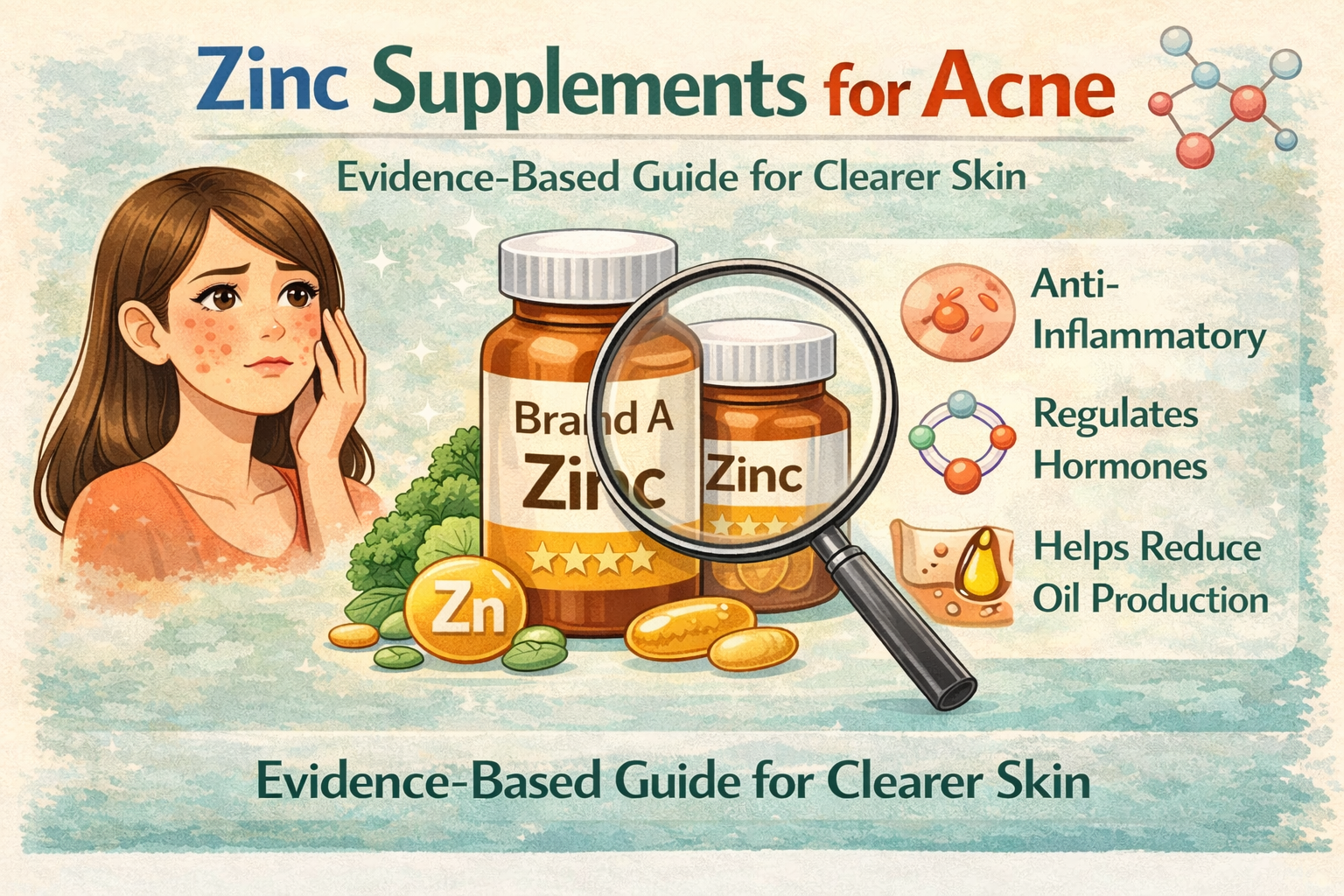
Zinc has become one of the most talked-about nutrients in acne care, especially among adults looking for gentler, supplement-based options. Zinc is an essential nutrient that the body does not naturally produce, so it must be obtained through diet or supplements to support skin health and healing. Search trends for zinc acne, zinc deficiency acne, and zinc dosage acne continue to rise, but confusion remains about how zinc actually works, how much to take, which form matters, and how it compares to prescription treatments like Accutane. This guide breaks down the science behind zinc and acne in plain language, covering mechanisms, clinical evidence, dosage ranges, safety considerations, and realistic expectations so you can make informed decisions with your healthcare provider.
What Is Zinc and Why It Matters for Skin
Zinc is an essential trace mineral involved in over 300 enzymatic reactions in the human body. It plays roles in immune function, inflammation control, wound healing, hormone regulation, and cellular repair. Because acne involves inflammation, excess oil production, bacterial overgrowth, and impaired skin healing, zinc’s biological functions make it particularly relevant to acne-prone skin.
Zinc is one of several trace minerals and essential minerals required for healthy skin, supporting overall skin function and repair.
From a dermatology perspective, zinc contributes to:
- Regulation of sebaceous gland activity
- Modulation of inflammatory cytokines
- Support of skin barrier repair
- Antioxidant defense against oxidative stress
Zinc also supports the function, repair, and regeneration of skin cells, which is vital for maintaining clear and healthy skin.
Low zinc levels have been observed more frequently in individuals with acne compared to those without acne, suggesting a potential association rather than a guaranteed cause [1].
How Zinc Affects Acne Development
Acne develops when several processes overlap. Zinc does not target just one pathway, which is why it is often studied as a supportive therapy rather than a single solution.
Zinc's multi-pathway effects make it particularly relevant for persistent acne and hormonal acne, as it may help regulate sebum production and inflammation, which can prevent clogged pores and support clearer skin.
Zinc and oil production
Zinc appears to influence sebaceous gland activity. Excess oil and dead skin cells can clog hair follicles, contributing to acne development. Laboratory and clinical data suggest zinc may help normalize sebum output, which is particularly relevant for oily skin types [2].
Zinc and inflammation
Inflammation is central to acne. Zinc helps regulate the activity of immune cells involved in skin inflammation. Zinc has anti-inflammatory properties that may reduce inflammatory lesions by inhibiting pro-inflammatory cytokines and modulating immune responses [3].
Zinc and Cutibacterium acnes
Zinc exhibits mild antibacterial activity against Cutibacterium acnes (formerly Propionibacterium acnes), the bacteria associated with acne lesions. While zinc is not an antibiotic, this activity may help reduce bacterial load on the skin [4].
Zinc and wound healing
Zinc supports collagen synthesis and promotes collagen production, which is essential for skin repair. This may help acne lesions heal more efficiently and reduce post-inflammatory redness.
Zinc Deficiency and Acne
Zinc deficiency acne is a common search term, but the reality is nuanced.
Maintaining adequate zinc levels through a balanced diet is important to support skin health and manage acne.
Is zinc deficiency common in acne?
Several studies have found lower serum zinc levels in people with moderate to severe acne compared to controls [1][5]. However, not all people with acne are zinc deficient.
Symptoms that may overlap with zinc deficiency
- Slow wound healing
- Frequent infections
- Hair thinning
- Reduced sense of taste or smell
These symptoms alone do not confirm deficiency. Blood testing is the only reliable way to diagnose zinc deficiency.
Should everyone with acne supplement zinc?
Not necessarily. Supplementation appears most useful in individuals with low or borderline zinc status or inflammatory acne patterns.
Evidence From Oral Zinc Acne Studies
Oral zinc acne studies date back decades and include randomized controlled trials, comparative studies, and systematic reviews. Oral supplementation with various zinc compounds has been studied as an acne treatment, with research comparing the effectiveness of different oral supplements and forms of zinc.
Key findings from these studies indicate that oral zinc supplements, including different zinc compounds, have shown benefits in acne treatment. These benefits include reduced inflammation and bacterial activity, making oral supplementation a promising option for those seeking internal support for clearer skin.
However, the effectiveness of zinc treatment may depend on the specific zinc compound and form used, and individual responses can vary.
Key clinical findings
- Oral zinc salts have shown reductions in inflammatory acne lesions compared to placebo [6].
- Some studies found zinc comparable to low-dose antibiotics for inflammatory acne, though typically with slower onset [7].
- Benefits are more consistent for inflammatory acne than purely comedonal acne.
Example study summary
A randomized double-blind study using zinc sulfate demonstrated significant improvement in inflammatory lesion count over 12 weeks compared to placebo [6].
Limitations of the evidence
- Sample sizes are often modest
- Dosages and zinc forms vary
- Not all studies show strong effects
Overall, evidence supports zinc as a supportive option, not a standalone cure.
Topical Zinc for Acne
Topical zinc acne products include zinc oxide, zinc PCA, and zinc sulfate formulations. Topical treatments containing zinc can be integrated into a skincare routine for acne management.
Zinc-based skin care products are often suitable for sensitive skin, but it is recommended to perform a patch test before full application to minimize the risk of irritation.
What topical zinc does well
- Reduces surface inflammation
- Helps calm redness
- Supports barrier repair
What topical zinc cannot do
- It does not correct internal deficiencies
- Effects are typically mild and cosmetic
Topical zinc is often best used alongside oral zinc or other acne treatments.
Zinc Forms Explained, Picolinate vs Gluconate vs Sulfate
Different zinc forms affect absorption and tolerability.
|
Zinc Form |
Notes |
Typical Use |
|---|---|---|
|
Zinc sulfate |
Most studied in acne trials |
Higher GI side effects |
|
Zinc gluconate |
Moderate absorption |
Common in supplements |
|
Zinc picolinate |
Higher bioavailability |
Often preferred |
|
Zinc oxide (topical) |
Low absorption orally |
Topical use |
|
Zinc citrate |
Good absorption, affordable, suitable for long-term use |
Supplements for skin health |
|
Zinc acetate |
Superior absorption, effective for inflammation and acne |
Supplements and topical formulations |
Different zinc compounds, such as zinc acetate and zinc citrate, are used in acne support due to their effectiveness and absorption rates. Choosing a zinc compound that helps the body absorb zinc efficiently is important for optimal skin health and managing acne.
Zinc picolinate acne benefits
Zinc picolinate is often favored due to better absorption and fewer gastrointestinal side effects, though head-to-head acne studies are limited [8].
Zinc Dosage for Acne, What Studies Actually Use
Typical trial dosages
Most oral zinc acne studies use 30–90 mg of elemental zinc per day, depending on severity and form.
Elemental zinc vs compound weight
Always look for elemental zinc, not total compound weight.
Upper intake limits
The tolerable upper intake level for adults is 40 mg elemental zinc per day, unless supervised by a healthcare professional [9].

Dietary Considerations for Zinc and Acne
When it comes to managing acne, what you eat can be just as important as the products you use on your skin. Zinc is an essential mineral that plays a key role in immune function, wound healing, and protein synthesis, all crucial for maintaining healthy skin and supporting the body’s natural ability to repair itself. Ensuring adequate zinc intake through your diet can help reduce acne severity, promote faster skin healing, and support your immune system’s ability to keep breakouts in check. On the other hand, zinc deficiency may make it harder for your skin to recover from acne lesions and can even worsen inflammation.
Zinc-rich foods
The most effective way to support your skin health is by including zinc-rich foods in your daily meals. Some of the best sources of zinc are oysters, red meat, poultry, crab, and lobster. Dairy products, legumes, seeds, nuts, and whole grains also provide zinc, though the mineral is more easily absorbed from animal-based foods. If you have a known zinc deficiency or are dealing with severe acne, zinc supplementation may be recommended by your healthcare provider to help you reach optimal zinc intake and support your skin’s healing process.
Factors affecting zinc absorption
Not all zinc in your diet is absorbed equally. Plant-based foods often contain phytates, natural compounds that can bind to zinc and reduce its absorption. To get the most out of zinc-rich plant foods, try soaking, sprouting, or fermenting them, these methods can help break down phytates and improve zinc bioavailability. Taking zinc supplements with a meal that’s high in protein and low in phytates can also enhance absorption. Keep in mind that taking zinc alongside other minerals like copper, iron, or calcium may affect how well your body absorbs each one, so it’s important to balance your intake and consult with a healthcare provider if you’re using multiple dietary supplements.
Diet patterns and acne risk
Your overall diet pattern can have a significant impact on your skin’s appearance and your risk of acne breakouts. Diets high in refined carbohydrates, sugar, and dairy products have been linked to increased inflammation and insulin resistance, both of which can make acne worse. In contrast, eating plenty of fruits, vegetables, whole grains, and lean proteins can help reduce inflammation and promote healthy skin. Including zinc-rich foods as part of a balanced diet supports immune health and may help minimize the frequency and severity of acne breakouts. For acne patients, working with a healthcare provider to create a personalized nutrition plan can ensure you’re meeting your unique needs for clear, healthy skin.
Zinc for Oily Skin and Inflammation Control
Zinc’s anti-inflammatory effects make it particularly relevant for oily and inflammatory acne types. Zinc can be an important component of an acne fighting routine for those with oily and inflammatory skin, supporting a comprehensive approach to clearer skin.
- May reduce redness
- May support oil balance
- May improve skin healing over time
Results typically appear after 8–12 weeks of consistent use.
Zinc and Hormones, What We Know
Zinc plays a role in hormone metabolism, including insulin signaling and androgen activity. Zinc also supports hormonal balance, which can help reduce hormonally driven breakouts.
Maintaining hormonal balance with adequate zinc may also improve the skin's appearance.
Insulin and acne
Improved insulin sensitivity may indirectly reduce acne severity in some individuals [10].
Androgens and sebum
Zinc may influence androgen metabolism, but evidence remains indirect and evolving.
Zinc vs Accutane, A Balanced Comparison
This comparison is about role, not competition.
|
Aspect |
Zinc |
Accutane |
|---|---|---|
|
Acne severity |
Mild to moderate |
Severe, cystic |
|
Speed |
Gradual |
Rapid |
|
Monitoring |
Minimal |
Extensive |
|
Side effects |
Usually mild |
Potentially serious |
|
Role |
Supportive |
Medical intervention |
Zinc is not a replacement for Accutane. It may be used as adjunct support or for individuals not eligible for isotretinoin.
Safety, Side Effects, and Interactions
Common zinc side effects
- Nausea
- Stomach upset
- Metallic taste
Taking zinc with food often helps.
Copper deficiency risk
Long-term high-dose zinc can interfere with copper absorption, leading to deficiency [11].
Zinc interactions antibiotics
Zinc can reduce absorption of tetracycline and quinolone antibiotics. Doses should be separated by at least 2 hours [12].
Zinc pregnancy acne safety
Zinc is essential during pregnancy but should only be supplemented under medical guidance.
How to Use Zinc for Acne in Real Life
Oral vs topical
Oral zinc supports internal pathways. Topical zinc supports surface inflammation.
Suggested timeline
- Weeks 1–4: minimal visible change
- Weeks 8–12: potential reduction in inflammation
When to stop or reassess
- No improvement after 12 weeks
- New side effects
- Worsening acne
Frequently Asked Questions About Zinc and Acne
Does zinc help acne?
Evidence suggests zinc may help reduce inflammatory acne in some individuals.
How long does zinc take to work for acne?
Most studies show results after 8–12 weeks.
What is the best zinc supplement for acne?
Look for clearly labeled elemental zinc, appropriate dosing, and good tolerability.
Can zinc help cystic acne?
Zinc may support inflammation control but is not a substitute for medical treatment.
Can men use zinc for acne?
Yes. Zinc benefits are not gender-specific.
Is zinc safe long term?
Generally yes within recommended limits and medical supervision.
Final Thoughts and Next Steps
Zinc is one of the most researched minerals in acne care, offering anti-inflammatory, oil-balancing, and skin-supportive benefits when used appropriately. It is not a cure, but for many adults, zinc can be a valuable part of an inside-out skin support strategy. If you are exploring zinc as part of your routine, products like ClearB5 incorporate zinc alongside complementary nutrients designed to support acne-prone skin in a balanced way.
- Learn more about Vitamin B5 for Acne
- Learn more about Vitamin B3 and Acne
References
-
Dreno B et al. Dermatology, 2001. https://pubmed.ncbi.nlm.nih.gov/11385203/
-
Ogawa Y et al. Journal of Dermatological Science, 2016.
-
Prasad AS. Molecular Medicine, 2008.
-
Brocard A et al. Journal of Drugs in Dermatology, 2007.
-
Ozuguz P et al. Biological Trace Element Research, 2014.
-
Sharquie KE et al. Saudi Medical Journal, 2006.
-
Michaëlsson G et al. Acta Dermato-Venereologica, 1977.
-
Sandstead HH. American Journal of Clinical Nutrition, 1995.
-
NIH Office of Dietary Supplements, Zinc Fact Sheet. https://ods.od.nih.gov
-
Smith RN et al. American Journal of Clinical Nutrition, 2007.
-
Fosmire GJ. American Journal of Clinical Nutrition, 1990.
-
FDA Drug Interaction Guidance. https://www.fda.gov
Medical Disclaimer
This article is for informational purposes only and does not substitute professional medical advice. Always consult a qualified healthcare provider before starting supplements or changing medical treatment. These statements have not been evaluated by the Food and Drug Administration. This product is not intended to diagnose, treat, cure, or prevent any disease.


