
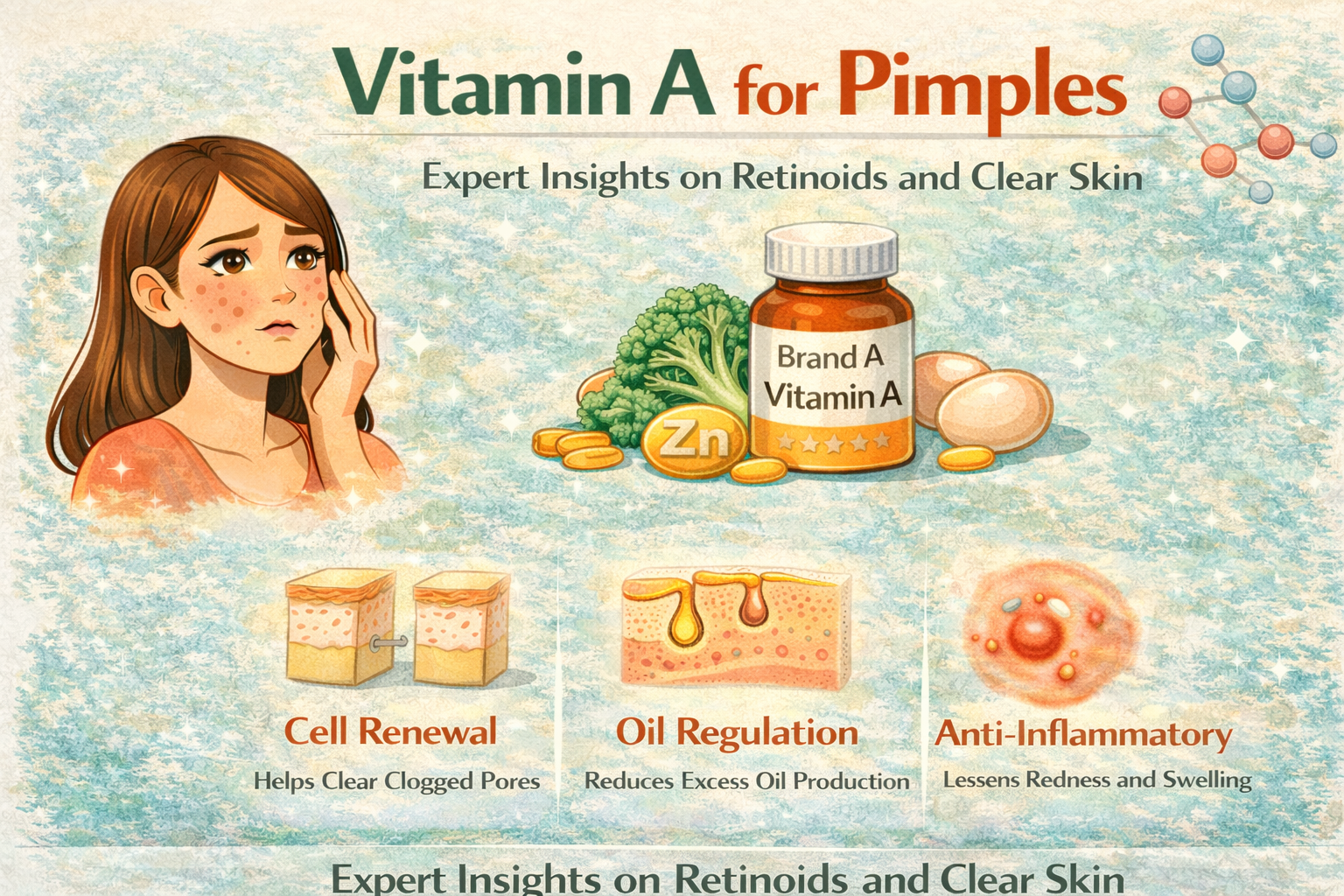
If you’ve been searching for ways to clear up stubborn pimples, you’ve probably come across vitamin A as a potential solution. The good news is that vitamin A derivatives are among the most effective treatments for acne that dermatology has to offer. The tricky part is understanding which forms actually work, which ones are safe, and how to use them without damaging your skin or your health.
This guide breaks down everything you need to know about vitamin A for pimples, from the science behind how it works to practical tips for building a routine that actually delivers results.
Quick answer: Can vitamin A really help with pimples?
Yes, vitamin A can genuinely help with pimples, but the form matters enormously. Topical retinoids (prescription-strength vitamin A creams and gels) are considered first-line therapy for acne treatment by dermatologists worldwide. Oral vitamin A derivatives like isotretinoin are reserved for severe acne under strict medical supervision. However, simply taking high doses of vitamin A supplements from the store is not a safe or recommended approach.
When people talk about “vitamin A for pimples,” they’re usually referring to one of these three things:
- Prescription topical retinoids like tretinoin, adapalene, or tazarotene
- Prescription oral derivatives like isotretinoin (brand name Accutane)
- Not megadoses of dietary supplement vitamin A, which can cause serious harm
Here are the key benefits vitamin A derivatives offer for acne prone skin:
- Unclogs pores and prevents new comedones from forming
- Reduces inflammation and redness associated with active breakouts
- Normalizes how skin cells shed, addressing the root cause of clogged pores
- Can improve dark marks and some acne scars over time with consistent use
And the essential safety points you need to know upfront:
- Start topical vitamin A slowly to reduce peeling and skin irritation
- High doses of oral vitamin A can cause liver damage and birth defects
- Never use oral vitamin A supplements at pharmacologic doses without a medical provider guiding you
- Always involve a dermatologist before considering isotretinoin or any high-dose vitamin A strategy
What are pimples and why do they form?
Pimples are a symptom of acne vulgaris, a chronic inflammatory skin condition that affects roughly 50 million Americans each year. While often associated with teenagers, acne regularly persists into adulthood and can appear for the first time in your 20s, 30s, or even later.
The visible lesions we call “pimples” come in several forms:
- Whiteheads and blackheads (comedones) – blocked pores that haven’t become inflamed
- Papules – small red bumps without visible pus
- Pustules – the classic “pimple” with a white or yellow center
- Nodules and cysts – deeper, more painful lesions that are more likely to leave acne scars
Four main processes drive pimple formation:
|
Driver |
What happens |
|---|---|
|
Excess sebum production |
Oil glands become overactive, often due to hormones |
|
Sticky dead skin cells |
Cells inside hair follicles clump together instead of shedding normally |
|
Cutibacterium acnes |
This bacterium thrives in clogged, oily follicles |
|
Inflammation |
Immune responses create redness, swelling, and pus |
Common triggers include hormonal changes (puberty, menstrual cycles, pregnancy), comedogenic skincare or makeup products, certain medications, stress, and genetic predisposition.
Vitamin A and its derivatives primarily target two of these drivers: they normalize cell turnover to prevent clogged pores, and they modulate inflammatory pathways to reduce redness and swelling.
What is vitamin A and how does it relate to skin?
Vitamin A is a fat-soluble essential nutrient that your body cannot produce on its own. You need to get enough vitamin A through diet or supplements to maintain overall health.
It exists in two main forms:
- Preformed vitamin A (retinol, retinal, retinyl palmitate, and other retinyl esters) found in animal foods like liver, eggs, and dairy products
- Provitamin A carotenoids (like beta carotene) found in colorful plant foods like carrots, sweet potatoes, and spinach
Vitamin A plays several critical roles in the body:
- Supports vision, especially night vision
- Maintains normal immune function
- Regulates cell growth and differentiation throughout the body
- Keeps skin and mucous membranes healthy and functional
When it comes to skin health specifically, vitamin A influences how quickly skin cells grow, mature, and shed. This is why retinoids, the active forms of vitamin A, are so powerful for treating acne. They normalize keratinization (the process by which cells in hair follicles mature and slough off), which directly prevents the clogged pores that lead to pimples.
In skincare and acne management, “vitamin A” typically refers to retinoids such as:
- Tretinoin (Retin A)
- Adapalene
- Tazarotene
- Isotretinoin
These pharmaceutical forms are far more potent and targeted than food sources or basic supplements. They bind directly to retinoic acid receptors in skin cells, driving changes in gene expression that clear existing pimples and prevent new ones.

Is vitamin A good for pimples? What the science says
The evidence supporting vitamin A for acne comes from three main sources: topical retinoid studies, oral isotretinoin research, and older clinical trials on high-dose vitamin A supplements.
Topical retinoids: Strong evidence
Clinical trials consistently show that topical retinoids reduce both comedones and inflammatory pimples. Most patients see around 60-75% improvement over several months of consistent use. These medications work by:
- Speeding up cell turnover to clear blocked pores
- Preventing microcomedones (the invisible precursors to visible pimples)
- Reducing inflammation through effects on immune signaling
Major acne guidelines recommend topical retinoids as first-line therapy for nearly all forms of acne beyond the very mildest cases.
Oral isotretinoin: Highly effective for severe acne
Isotretinoin dramatically reduces sebum production by shrinking sebaceous glands and inducing sebocyte apoptosis (cell death). One proposed mechanism involves increased production of neutrophil gelatinase-associated lipocalin (NGAL), which also has antimicrobial effects against acne bacteria.
Typical treatment courses of 4-6 months can produce long-term or even permanent remission of severe acne in many patients.
High-dose vitamin A supplements: Historical data, modern concerns
Older trials from the 1930s through 1970s tested high doses of oral vitamin A (often around 100,000 international units daily) and frequently observed improvement. However, side effects were significant, including:
- Mucocutaneous symptoms (dry lips, dry skin, nosebleeds)
- Systemic toxicity (headaches, liver problems)
- Teratogenic risk (birth defects)
Modern dermatology favors isotretinoin over generic high-dose vitamin A supplements because isotretinoin offers more predictable pharmacology and a better-understood safety profile.
What about regular vitamin A intake?
Standard multivitamin-level vitamin A supports better skin health and general wellbeing, but it’s usually too low to “treat” active pimples on its own. Correcting a true deficiency matters, but megadosing beyond normal requirements is dangerous and not evidence-based.
Key warnings:
- Self-experimenting with high-dose oral vitamin A is unsafe
- Proven acne treatments like benzoyl peroxide, salicylic acid, and prescription retinoids are safer and better studied
- Health professionals should supervise any oral vitamin A regimen beyond standard dietary intake
How to use vitamin A for pimples
There are three main routes for using vitamin A to improve acne:
- Topical vitamin A (retinoid creams and gels)
- Prescription oral derivatives (isotretinoin and, historically, high-dose vitamin A)
- Dietary intake from foods and standard supplements
Dermatologists typically recommend starting with topical retinoids for mild-to-moderate pimples and reserving oral isotretinoin for severe acne, scarring cases, or situations where other treatments have failed.
For most people asking about vitamin A for pimples, the safest DIY approach is:
- Trying a low-strength OTC retinoid like adapalene 0.1% gel (available without prescription in many countries)
- Eating a balanced diet with adequate but not excessive vitamin A
- Avoiding high-dose supplements unless specifically prescribed
Any oral strategy beyond a regular multivitamin should be discussed with a doctor due to the risk of liver damage and birth defects.
The following sections cover each approach in detail.
opical vitamin A (retinoids) for pimples
Topical retinoids are the workhorses of modern acne treatment. Common prescription options include:
|
Retinoid |
Typical strengths |
Notes |
|---|---|---|
|
Tretinoin |
0.025%, 0.05%, 0.1% |
Classic option; various formulations |
|
Adapalene |
0.1%, 0.3% |
Often better tolerated; 0.1% available OTC in some markets |
|
Tazarotene |
0.05%, 0.1% |
More potent; may cause more irritation |
|
Trifarotene |
0.005% |
Newer; designed for face and trunk acne |
How they help pimples:
- Speed up cell turnover to clear blocked pores
- Help existing comedones come to the surface and resolve (comedolysis)
- Reduce inflammatory lesions over time
- May fade post-inflammatory hyperpigmentation and improve skin tone with long-term use
Practical usage tips:
- Start 2-3 nights per week, then slowly increase to nightly as tolerated
- Apply a pea-sized amount for the whole face on clean, completely dry skin
- Wait 20-30 minutes after washing before applying to reduce irritation
- Follow with non-comedogenic moisturizer to manage dryness and peeling
Early side effects to expect:
- Redness, peeling, dryness, and a tight feeling
- Temporary “purging” where more pimples appear in the first 2-6 weeks
- These symptoms usually improve with time and gentle skincare
Sun protection is essential:
- Use broad-spectrum SPF 30+ daily
- Avoid tanning beds and prolonged direct sun exposure
- Tretinoin in particular can break down in sunlight, so apply at night
Oral vitamin A derivatives and high-dose vitamin A
It’s critical to distinguish between:
- Isotretinoin – a specific oral retinoid drug that requires prescription and monitoring
- High-dose vitamin A supplements (retinyl palmitate, retinyl acetate) – not standard care for pimples due to safety concerns
Isotretinoin’s role in treating acne:
Isotretinoin (known by the brand name Accutane and others) is reserved for severe nodular or cystic acne, or cases that fail standard therapies. This latter drug works by:
- Dramatically reducing sebum production
- Shrinking sebaceous glands
- Normalizing follicular keratinization
- Modulating inflammation
Many dermatologists prescribe isotretinoin with especially careful patient selection, recognizing that it can produce long-term remission but requires strict monitoring.
Monitoring requirements:
- Regular blood tests for liver enzymes and lipids
- Strict pregnancy prevention through the iPLEDGE platform (in the U.S.) or similar programs elsewhere
- Management of common side effects: dry skin, chapped lips, nosebleeds, sun sensitivity
The iPLEDGE platform left providers and patients with significant administrative requirements, but these exist because isotretinoin can cause severe birth defects if taken during pregnancy.
Historical high-dose vitamin A trials:
Nine studies and other published literature from earlier decades tested oral vitamin A at doses ranging from roughly 36,000 to 500,000 IU daily, with many trials using around 100,000 IU/day. These trials included participants with various acne severities.
Results showed improvement in acne, but frequent mucocutaneous and systemic side effects made this approach impractical. The treatment lacked standardized components and carried unpredictable risks.
Why self-prescribing high doses is dangerous:
Taking too much vitamin A, especially preformed vitamin A from supplements, can cause:
- Liver damage (elevated enzymes, fatigue, abdominal pain)
- Increased intracranial pressure (severe headaches, vision changes)
- Bone and joint pain
- Hair loss
- Severe dryness throughout the body
The tolerable upper intake level for adults is approximately 3,000 mcg RAE (about 10,000 international units) daily. Doses above this should only be used under strict monitoring by health professionals.
Vitamin A from food and standard supplements
For most people, the priority is meeting—but not exceeding—the recommended daily allowance:
- Adult women: approximately 700 mcg RAE/day
- Adult men: approximately 900 mcg RAE/day
Vitamin A-rich foods:
Animal sources (preformed vitamin A):
- Beef liver (very high, eat only in small amounts)
- Egg yolks
- Dairy products like whole milk and cheese
- Oily fish such as salmon or mackerel
Plant sources (beta carotene and other provitamin A carotenoids):
- Carrots
- Sweet potatoes
- Spinach and kale
- Pumpkin
- Red and orange bell peppers
Beta carotene from plant foods is much less likely to cause toxicity because the body converts it to active vitamin A only as needed. Very high intakes may cause harmless yellowing of the skin (carotenemia), but this reverses when intake decreases.
Standard dietary supplements:
Most multivitamins contain around 700-1,000 mcg RAE, which, combined with a normal diet, typically stays within safe limits. Taking supplements beyond this level hoping to improve acne faster is not supported by evidence and increases toxicity risk.
The fact sheet from the National Institutes of Health provides detailed guidance on safe intake levels for different age groups.
While a balanced diet helps maintain skin health, the biggest impact comes from correcting true deficiency. Trying to “megadose” vitamin A for pimples through supplements simply doesn’t offer the same benefits as properly used topical retinoids or supervised oral treatment.

Benefits of vitamin A for pimples and acne-prone skin
When used correctly, vitamin A derivatives deliver several meaningful benefits for people dealing with pimples:
- Fewer clogged pores as cell turnover normalizes
- Reduced inflammatory pimples through modulation of immune pathways
- Smoother skin texture as the stratum corneum architecture improves
- Faded hyperpigmentation and improved skin tone with long-term use
- Potential improvement in shallow acne scars as collagen remodeling occurs
Timeline expectations:
These benefits develop gradually. Most people need at least 8-12 weeks of consistent topical retinoid use to see clear improvement. More severe acne or deeper scars may require 6-12 months of treatment, often with combination therapy.
Synergy with other treatments:
Vitamin A works well alongside other acne-fighting ingredients:
- Benzoyl peroxide or topical antibiotics target acne bacteria while retinoids prevent clogs
- Gentle chemical exfoliants like salicylic acid can complement vitamin A if introduced cautiously
- Niacinamide may help with inflammation and barrier support
Long-term maintenance:
After getting pimples under control, many dermatologists recommend continuing a lower-strength retinoid as maintenance therapy. This approach helps prevent the microcomedones that eventually become visible breakouts, supporting a radiant complexion over time.
Risks, side effects, and who should avoid vitamin A treatments
Understanding the risks helps you use vitamin A safely and know when to seek help.
Common side effects of topical retinoids:
- Dryness, tightness, and flaking
- Redness and sensitivity
- Burning or stinging sensation
- Temporary worsening or “purging” of pimples in early weeks
Systemic risks of excess oral vitamin A:
|
Risk |
Signs/Symptoms |
|---|---|
|
Liver damage |
Elevated liver enzymes, fatigue, abdominal pain |
|
Increased brain pressure |
Severe headaches, vision changes, nausea |
|
Bone problems |
Joint pain, decreased bone density |
|
Hair loss |
Thinning or shedding beyond normal |
|
Teratogenicity |
Serious birth defects if taken during pregnancy |
Who must be especially careful or avoid certain forms:
- Pregnant or planning pregnancy – avoid high-dose vitamin A supplements and isotretinoin entirely
- Those with liver disease or heavy alcohol use – increased risk of hepatotoxicity
- People already taking other supplements or medications containing vitamin A – cumulative doses add up
- Select patients with certain autoimmune conditions may need careful patient selection before starting retinoids
Guidance for safer use:
- Never exceed label doses on supplements without medical advice
- Tell your doctor about all vitamins and prescription acne medications you use
- Get blood tests if prescribed high-dose vitamin A derivatives
- If you’re considering isotretinoin, understand that the drugs dermatol specialists prescribe require monitoring through programs like the iPLEDGE platform
Practical tips: Building a pimple routine with vitamin A
Here’s how to incorporate topical vitamin A into a sustainable skincare routine.
Nighttime routine example:
- Cleanse with a gentle, non-foaming cleanser
- Wait until skin is completely dry (15-30 minutes ideally)
- Apply a pea-sized amount of topical retinoid, spread thinly over the face
- Avoid the eye area and lips
- Apply non-comedogenic moisturizer after (or use the “sandwich” method: moisturizer, retinoid, moisturizer for sensitive skin)
Morning routine basics:
- Gentle cleanse or just rinse with water if not oily
- Apply lightweight non-comedogenic moisturizer
- Apply broad-spectrum sunscreen SPF 30 or higher—every single day, even when cloudy
How to introduce vitamin A products:
- Week 1-2: Use every third night
- Week 3-6: Use every other night
- Week 7+: Use nightly if tolerated
- Reduce frequency if redness or peeling becomes uncomfortable
What to avoid while using retinoids:
- Physical scrubs and harsh exfoliants
- Strong chemical peels (unless supervised by a dermatologist)
- Alcohol-based toners that can amplify irritation
- Introducing multiple new active ingredients at once
Keep a simple skin diary:
- Note when you started the retinoid
- Track side effects (dryness, peeling, purging) with approximate dates
- Record improvements you notice
- Share this with a dermatologist to help adjust strength or frequency
When to see a dermatologist about pimples and vitamin A
While many people can successfully use over-the-counter vitamin A products, certain situations call for professional guidance.
Seek medical advice if:
- Pimples are leaving scars or persistent dark marks
- Over-the-counter treatments (including mild retinoids) haven’t helped after 3-4 months
- You have painful cysts or nodules on your face, chest, or back
- You’re experiencing severe side effects from current treatments
Professional guidance is essential before:
- Considering isotretinoin or wondering about high-dose vitamin A supplements
- Using oral vitamin A while managing chronic conditions (liver disease, high cholesterol, autoimmune disease)
- Starting any retinoid if you’re pregnant, breastfeeding, or planning to conceive
What a dermatologist can do:
- Confirm that your bumps are actually acne and not another condition (like rosacea or folliculitis)
- Choose an appropriate strength and form of topical vitamin A based on your skin type
- Prescribe isotretinoin if needed with proper monitoring through required platforms
- Design a complete routine including cleansers, moisturizers, and complementary treatments
- Monitor for side effects and adjust your plan accordingly
Prepare for your appointment:
- Bring a list of all skincare products and supplements you use, including product details and doses
- Note how long you’ve had pimples and what treatments you’ve already tried
- Be honest about your medical history and any medications you take
With the right vitamin A–based plan plus consistent use and monitoring, many people see dramatic improvement in their pimples. Whether you start with an over-the-counter adapalene gel or work with a dermatologist to explore stronger options, understanding how vitamin A works, and respecting its risks, puts you in the best position to achieve clearer, healthier skin.
ClearB5: A Comprehensive Supplement for Acne Support
For those seeking a convenient and effective way to incorporate vitiamins and minerals, ClearB5 offers a well-rounded supplement designed specifically for acne-prone skin. It combines key ingredients such as vitamin B5 (pantothenic acid), zinc, vitamin C, vitamin B3, and other essential nutrients that support skin health, reduce inflammation, and promote hormonal balance.
ClearB5 is formulated to provide a complete vitamin supplement approach, making it an excellent option for acne patients looking to complement their skincare routine with oral supplementation. By addressing multiple factors involved in acne pathogenesis, including oil production, skin cell turnover, and immunce function, ClearB5 can be a valuable addition to a comprehensive acne management plan.
- Learn more about the vitamin b3 for acne
- Learn more about best vitamins for pimples
Medical Disclaimer
This article is for informational purposes only and does not substitute professional medical advice. Always consult a qualified healthcare provider before starting supplements or changing medical treatment. These statements have not been evaluated by the Food and Drug Administration. This product is not intended to diagnose, treat, cure, or prevent any disease.


