
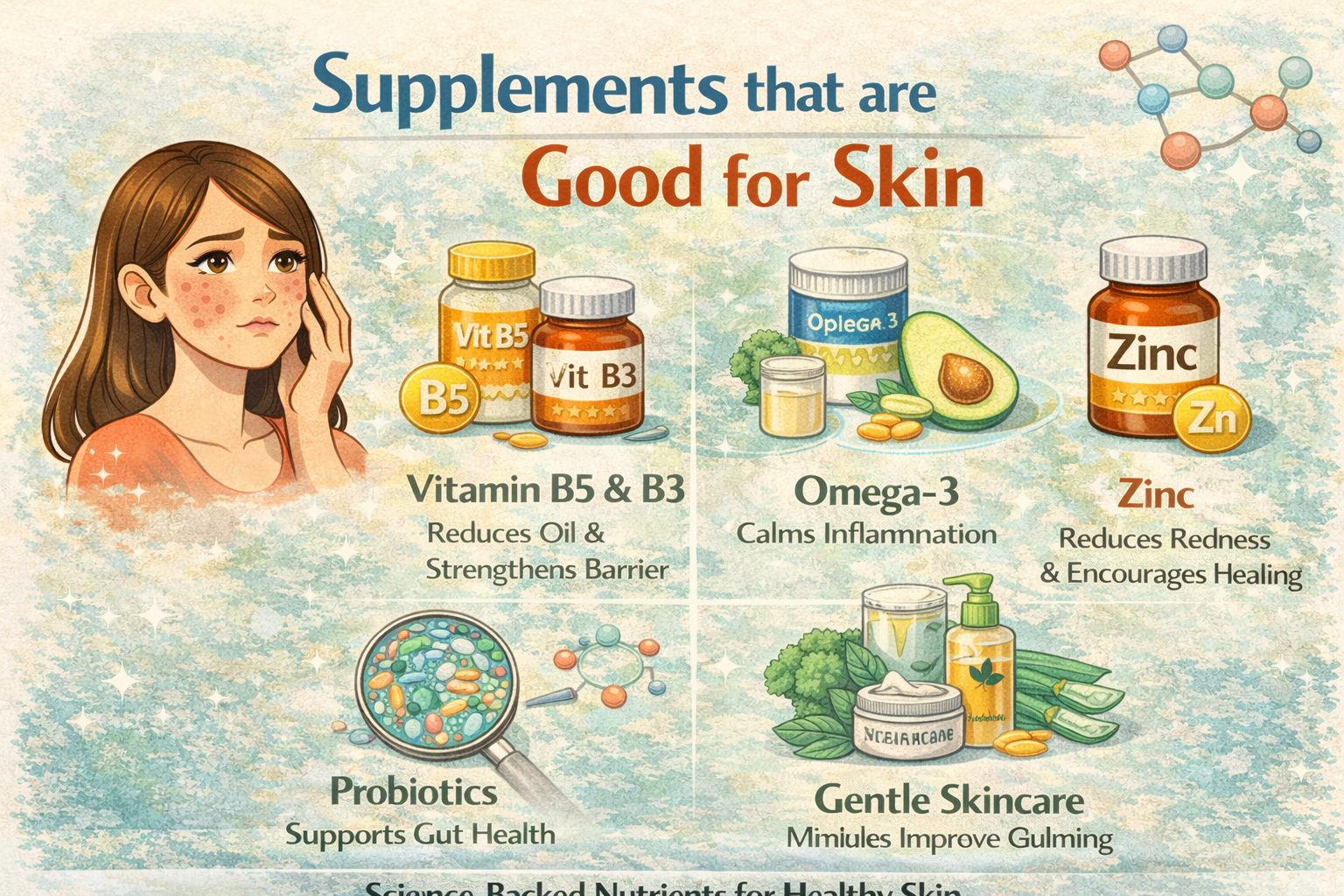
Fast Answers: Best Skin Supplements to Know First
Your skin reflects what’s happening inside your body. While topical treatments work on the surface, supplements that are good for skin deliver key nutrients through your bloodstream to support barrier function, hydration, and the cellular processes that keep skin looking healthy. Here are the top contenders worth knowing about.
Vitamin C: Essential for collagen synthesis and brightening; helps fade dark spots and protect against UV damage.
Vitamin A and retinoids: Regulate skin cell turnover; prescription forms treat acne and reduce fine lines.
Niacinamide: Strengthens the skin barrier, reduces redness, and has been shown to lower skin cancer risk in high-risk individuals.
Vitamin B5 (Pantothenic Acid): Supports skin hydration and wound healing; helps maintain the skin’s barrier function and may reduce acne severity.
Vitamin D: Supports immune function in the epidermis; may help manage inflammatory conditions like psoriasis.
Vitamin E: A fat-soluble antioxidant that protects cell membranes and works synergistically with vitamin C.
Omega-3 fatty acids: Reduce inflammation and help maintain soft, hydrated skin; beneficial for dry or irritated skin.
Collagen peptides: May improve skin elasticity and hydration, especially in mature skin.
Probiotics: Support the gut-skin axis; emerging evidence suggests benefits for acne and eczema.
Safety note: If you’re pregnant, nursing, taking medications (especially blood thinners or prescription retinoids), or managing chronic conditions, consult a healthcare professional before adding new dietary supplements to your routine.
Why Supplements Matter for Skin Health
Your skin is the body’s largest organ, and it depends on a steady supply of essential nutrients to repair itself, defend against UV radiation, and maintain its protective barrier. When your diet falls short—or when demands increase due to aging, illness, or environmental stress, nutritional supplements can help fill the gaps.
How Antioxidants Protect Your Skin
Free radicals are unstable molecules generated by sun exposure, pollution, and normal metabolism. When left unchecked, they damage skin cells, break down collagen, and accelerate the aging process. Antioxidants like vitamins A, C, and E, along with carotenoids and flavonoids, neutralize these free radicals before they can cause significant harm. This helps slow the formation of wrinkles, reduce hyperpigmentation, and maintain overall skin health.
Vitamins and Minerals as Building Blocks
Beyond antioxidant properties, specific vitamins and minerals serve as cofactors in critical skin processes:
- Vitamin C is required for collagen formation.
- Zinc supports wound healing and sebum regulation.
- Selenium powers antioxidant enzymes that protect skin cells from oxidative damage.
- Biotin and B-vitamins support cellular regeneration.
- Vitamin B5 (pantothenic acid) aids in maintaining skin hydration and supports the repair of skin barrier function.
Diet Comes First
A balanced diet rich in fruit, vegetables, fatty fish, nuts, and seeds should be your foundation. Supplements work best when they complement good nutrition—not replace it. They’re particularly helpful when:
- Your intake of certain nutrients is consistently low.
- You’re dealing with age-related absorption issues.
- Blood tests reveal specific vitamin deficiency.
- You have higher needs due to skin conditions or recovery.
It’s worth noting that evidence for some supplements is stronger in specific conditions. For example, omega-3s and vitamin D show clearer benefits in psoriasis and atopic dermatitis, while niacinamide has robust data for skin cancer prevention in high-risk patients.
How This Guide Was Put Together (Research & Evidence)
This article draws from peer-reviewed studies published through late 2024, sourced from databases like PubMed, Scopus, and Web of Science, along with clinical guidance from dermatology organizations including the American Academy of Dermatology.
The focus is on commonly sold supplements for skin: vitamins A, C, D, E, niacinamide, biotin, omega-3 fatty acids, collagen peptides, carotenoids (beta-carotene, astaxanthin), botanical extracts (curcumin, green algae), probiotics, and minerals like zinc and selenium.
Human clinical trials are prioritized when available. Animal and lab studies are referenced mainly to explain mechanisms, such as antioxidant, anti-inflammatory, or photoprotective effects, rather than to make direct benefit claims.
This guide is informational and not a substitute for personal medical advice. If you’re managing skin cancer, autoimmune conditions, or other serious health issues, work directly with your healthcare team.

Core Vitamins for Healthy, Resilient Skin
When it comes to skin vitamins, certain nutrients have decades of research behind them. Vitamins A, C, D, E, and specific B-vitamins consistently show up in studies on skin quality, wound healing, and protection against environmental damage.
The sections below break down each vitamin’s role, the best food sources, and how supplements compare to topical treatments.
Vitamin A and Carotenoids (Retinol, Retinoids, Beta-Carotene)
Vitamin A regulates skin cell turnover, controls sebum production, and supports collagen synthesis. A deficiency leads to dry, rough skin, increased susceptibility to infections, and impaired wound healing.
Retinoids for skin conditions: Prescription retinoids like isotretinoin (oral) and tretinoin (topical) are powerful derivatives used for severe acne and anti-aging. They improve skin texture, minimize pores, and reduce fine lines by accelerating cellular regeneration. However, these require medical supervision.
Carotenoids from food: Beta-carotene and other carotenoids found in sweet potatoes, carrots, kale, spinach, and mango function as antioxidants and mild internal photoprotectors. Regular intake may reduce sunburn sensitivity over time, though they don’t replace sunscreen.
Safety considerations:
- High-dose vitamin A supplements (especially >10,000 IU daily) can cause liver toxicity.
- Isotretinoin and high-dose retinoids are teratogenic, dangerous during pregnancy.
- Fat soluble vitamins accumulate in the body, making overdose possible.
Practical guidance: Focus on getting vitamin A from food sources and standard multivitamins. Only use higher therapeutic doses under medical supervision for confirmed deficiency or severe acne.
Vitamin B5 (Pantothenic Acid)
Vitamin B5, also known as pantothenic acid, plays a crucial role in maintaining skin hydration and supporting wound healing. It helps the skin retain moisture by improving the skin's barrier function and may reduce acne severity by regulating oil production. While more research is needed to fully understand its benefits, vitamin B5 is often included in skincare products and dietary supplements aimed at promoting healthy, hydrated skin.
Food sources: Meat, eggs, avocados, broccoli, and whole grains are rich in vitamin B5.
Vitamin C (L-Ascorbic Acid)
Vitamin C plays a dual role in skin: it’s essential for collagen synthesis (as a cofactor for the enzymes that stabilize collagen fibers) and serves as a potent antioxidant in both the dermis and epidermis.
Key benefits:
- Supports collagen production, helping maintain skin firmness.
- Helps fade hyperpigmentation and brighten dull skin tone.
- Protects against sun damage when combined with vitamin E and sunscreen.
Oral vs. topical: Here’s an important distinction: oral vitamin C has limited plasma levels above approximately 400 mg/day. Your body simply excretes the excess. For visible changes to skin texture and pigmentation, topical serums containing 10-20% L ascorbic acid at a low pH are often more effective than oral supplements.
Food sources: Citrus fruits, kiwi, strawberries, bell peppers, broccoli, and leafy greens all provide vitamin C. Even meeting the RDA of 75-90 mg/day supports baseline skin integrity.
Safety note: Very high doses (>2,000 mg/day) may cause gastrointestinal upset and are unnecessary for most people eating a balanced diet.
Vitamin E (Tocopherols and Tocotrienols)
Vitamin E is a fat-soluble antioxidant concentrated in cell membranes and sebum. It protects the lipid components of skin from oxidation, particularly important for maintaining the skin’s barrier function.
Synergy with vitamin C: These two vitamins work together beautifully. Vitamin C helps regenerate oxidized vitamin E, enhancing overall photoprotection. Studies show this combination, used alongside sunscreen, provides stronger defense against UV radiation than any single ingredient alone.
Evidence for skin conditions: Both oral and topical vitamin E can reduce dryness, support wound healing, and may improve symptoms in atopic dermatitis and psoriasis by lowering oxidative stress. A trial combining vitamins D and E showed significant improvement in eczema severity scores over 60 days.
Food sources: Almonds, sunflower seeds, hazelnuts, and vegetable oils are excellent sources. Many people already meet basic needs through diet alone.
Caution: High-dose vitamin E supplements (>400 IU/day) may increase bleeding risk, particularly when taken with anticoagulant medications. Keep dosing conservative unless directed otherwise by a physician.
Vitamin D
Vitamin D functions more like a hormone than a traditional vitamin. Your skin produces it when exposed to sunlight, and it plays crucial roles in immune function and epidermal barrier maintenance.
Relevance for inflammatory skin diseases: Deficiency is common in people who avoid sun exposure or live at higher latitudes—and it’s associated with worse outcomes in psoriasis and atopic dermatitis. Supplementation (often 800-2,000 IU/day in adults, adjusted by blood tests) has been linked to reduced disease severity and improved antimicrobial peptide production in the skin.
Food sources:
- Fatty fish (salmon, mackerel, sardines)
- Fortified milk and plant milks
- Egg yolks
Safety and monitoring: Because vitamin D is fat-soluble, excessive long-term doses can lead to hypercalcemia (dangerously high calcium levels). Testing your 25(OH)D levels and following medical guidance is important, especially if supplementing beyond 2,000 IU daily.
Niacinamide (Vitamin B3)
Niacinamide is a water-soluble form of vitamin B3 that has become a dermatology favorite for its versatility and excellent tolerability.
How it helps skin:
- Strengthens the skin barrier by increasing ceramide production.
- Reduces redness and blotchiness.
- Improves hydration and skin texture.
- Calms acne-prone or rosacea-prone skin with minimal irritation.
The skin cancer connection: One of the strongest pieces of evidence for any oral skin supplement comes from niacinamide research. In high-risk patients with a history of nonmelanoma skin cancer, 500 mg of oral niacinamide twice daily reduced the rate of new basal and squamous cell carcinomas and reduced actinic keratoses over 12 months.
Niacin vs. niacinamide: Don’t confuse these. Niacin causes flushing; niacinamide does not. Avoid high-dose niacin supplements for skin unless specifically prescribed.
Food sources: Poultry, fish, whole grains, and fortified cereals typically meet basic requirements without supplementation in healthy individuals.
Biotin (Vitamin B7)
Biotin is heavily marketed for hair, skin, and nails, but the reality is more nuanced than supplement labels suggest.
What biotin actually does: True biotin deficiency causes dermatitis, hair loss, and brittle nails. But genuine deficiency is rare in people eating varied diets. It typically occurs in genetic disorders, long-term anticonvulsant use, or chronic alcohol consumption.
The evidence problem: Large cosmetic doses lack strong evidence in otherwise healthy individuals. If you’re not deficient, mega-dosing biotin is unlikely to transform your skin, hair, or nails.
Important warning: High-dose biotin can interfere with certain laboratory tests, including thyroid panels and cardiac markers. This can lead to misdiagnosis. Always inform your healthcare provider if you’re taking biotin supplements before blood work.
Better approach: Focus on dietary sources, eggs (well-cooked to inactivate avidin), nuts, seeds, and legumes—unless a clinician confirms deficiency through testing.
Healthy Fats & Omega-3s for Smooth, Calm Skin
Polyunsaturated fat, especially omega-3 fatty acids, forms structural components of skin cell membranes. These healthy fats help maintain softness, elasticity, and a balanced inflammatory response throughout your body.
When your diet contains too little fat or an imbalanced ratio of omega-6 to omega-3 fatty acids, you may notice dry, irritated skin or even worsening of acne in some cases.
Omega-3 Fatty Acids (Fish Oil, Algal Oil, Plant Sources)
EPA and DHA—the omega-3s from marine sources—reduce production of pro-inflammatory eicosanoids and cytokines. This has direct implications for skin: calmer inflammation, better barrier function, and improved moisture retention.
Clinical evidence:
- Psoriasis: Omega-3 supplements help relieve scaling, dryness, and itching.
- Atopic dermatitis: May reduce flare severity and improve skin hydration.
- Photoaging: Mildly protects against UV-induced inflammation.
Supplement forms:
- Fish oil capsules (most common)
- Cod liver oil (note: also contains vitamin A and vitamin D)
- Algae-derived omega-3s (suitable for vegetarians/vegans)
Food sources to prioritize: Fatty fish like salmon, sardines, mackerel, herring, and anchovies provide the most bioavailable EPA and DHA. Plant sources like walnuts, chia seeds, and flaxseeds contain ALA, which your body converts to EPA and DHA, though inefficiently.
Aim for at least two servings of oily fish per week when possible.
Safety considerations:
- Fish oil can increase bleeding tendency at high doses.
- May interact with anticoagulant medications.
- Choose purified products tested for heavy metals and contaminants.
Collagen, Protein & Structural Support Supplements
Collagen is the most abundant protein in your skin, providing the tensile strength that keeps it firm and bouncy. Unfortunately, the body’s production of collagen starts declining in your mid-20s and accelerates significantly after age 40.
Collagen Peptides (Hydrolyzed Collagen)
Hydrolyzed collagen—also called collagen peptides, has been pre-digested into smaller fragments that are more easily absorbed through the digestive system. These peptides may signal fibroblasts in the dermis to increase production of new collagen and hyaluronic acid.
What the research shows:
A meta-analysis analyzing collagen trials found significant improvements in skin elasticity. Benefits were observed across various participants using daily doses of 2.5-10 grams for 8-12 weeks.
Individual studies have also reported improvements in:
- Wrinkle depth.
- Skin roughness.
- Hydration levels.
Types of collagen supplements:
|
Type |
Source |
Primary Use |
|---|---|---|
|
Type I & III |
Bovine |
Skin, bone, general anti-aging |
|
Type I |
Marine (fish) |
Popular for skin; may have smaller peptides |
|
Eggshell membrane |
Egg |
Contains collagen plus other structural proteins |
Allergen note: If you have shellfish or fish allergies, choose bovine collagen. Confirm sources on labels.
Maximize absorption: A collagen supplement works best when combined with adequate vitamin C (needed for collagen synthesis), copper, and amino acids like proline and glycine from a balanced diet.
Setting expectations: Evidence is stronger for visible improvements in older or sun-damaged skin. Benefits in young, healthy skin are more modest and not guaranteed. Give any collagen supplement at least 8-12 weeks before evaluating results.
Plant Antioxidants & Botanical Skin Supplements
Beyond vitamins, certain plant-derived compounds offer antioxidant and anti-inflammatory properties that can complement your skincare routine. These include curcumin from turmeric, carotenoids like astaxanthin, and green microalgae.
Curcumin (Turmeric Extract)
Curcumin is the primary bioactive compound in turmeric, with documented anti-inflammatory, antioxidant, and antimicrobial properties relevant to acne, eczema, and wound healing.
Human evidence: Small studies have shown improvements in psoriasis plaques, acne lesions, and scar appearance with both topical and oral curcumin formulations.
The absorption challenge: Plain curcumin is poorly bioavailable, your digestive process breaks it down before much reaches your bloodstream. Many supplements address this with enhanced formulations:
- Piperine (black pepper extract) increases absorption by up to 2,000%.
- Liposomal delivery systems.
- Nanoparticle formulations.
Safety and interactions:
- High doses may irritate the gut.
- Can interact with blood thinners.
- Not recommended for people with gallbladder issues.
- Stick to label doses for long-term use.
Astaxanthin & Other Carotenoids
Astaxanthin is a red keto-carotenoid found in microalgae and seafood (salmon, krill, shrimp) with exceptional antioxidant capacity, particularly in lipid environments like skin cell membranes.
Human trial findings: Oral astaxanthin at 4-12 mg/day for several weeks has been shown to:
- Reduce wrinkle depth.
- Improve skin elasticity.
- Increase moisture levels.
- Enhance resistance to UV-induced redness.
However, evidence for astaxanthin remains insufficient for strong recommendations, noting that more rigorous trials are needed.
Beta-carotene and mixed carotenoids: Foods like carrots, sweet potatoes, leafy greens, and apricots contribute to a mild “internal sunscreen” effect and more even skin tone over time.
Safety note:
- Extremely high carotenoid intake may cause harmless yellow-orange skin discoloration (carotenodermia).
- Smokers should avoid high-dose beta-carotene supplements due to increased lung cancer risk shown in older trials.
Algae-Based Supplements (Spirulina, Chlorella)
Spirulina (a blue-green cyanobacterium) and chlorella (a green microalga) are nutrient-dense supplements rich in protein, chlorophyll, carotenoids, and minerals.
Potential skin benefits:
- Support collagen formation.
- Improve skin elasticity and pigmentation.
- Enhance wound healing.
- Protect skin cells from UV-induced damage.
Current evidence status: Most data come from lab research and animal models rather than large human trials. The therapeutic benefits are plausible but not yet proven at the level of collagen or vitamin C.
Caution: Immunocompromised individuals should consult a doctor before using high-dose or multi-strain probiotic supplements.
How to Choose and Combine Skin Supplements Safely
More supplements don’t automatically mean better skin. Smart, targeted choices work best alongside a healthy lifestyle, proper sun protection, and consistent topical treatments.
Start With the Basics
Before adding supplements:
- Optimize your diet with whole foods, healthy fats, and adequate protein.
- Stay well-hydrated.
- Use broad-spectrum sunscreen daily to protect skin from sun damage.
- Prioritize quality sleep for cellular repair.
Consider 1-3 Well-Supported Supplements
Based on your specific concerns, here are evidence-informed “stacks” to consider:
For dry, aging skin:
- Collagen peptides (5-10 g/day)
- Vitamin C (from food or moderate supplement)
- Omega-3 fatty acids (1-2 g EPA+DHA)
For acne-prone skin:
- Zinc (30 mg/day, short-term—2-3 months)
- Probiotics (strain-specific for skin)
- Niacinamide (mostly topical, or oral for added barrier support)
For high sun exposure:
- Carotenoids (astaxanthin 4-8 mg or mixed carotenoids)
- Vitamin C + Vitamin E combination
- Always paired with SPF 30+ sunscreen
What to Look for in Quality Products
Not all nutritional supplements are created equal. The industry is loosely regulated, so quality varies dramatically.
|
Quality Indicator |
What to Look For |
|---|---|
|
Third-party testing |
NSF, USP, or Informed-Choice certification |
|
Clear labeling |
Specific doses and forms listed |
|
Transparency |
No proprietary blends hiding actual amounts |
|
Purity |
Products tested for heavy metals (especially marine sources) |
Review Periodically with a Professional
Schedule check-ins with a healthcare provider, especially if you:
- Take prescription medications.
- Are planning pregnancy.
- Manage chronic conditions like autoimmune disorders.
- Notice new skin conditions or changes in hair follicles.

Key Takeaways & When to See a Professional
Summary of what works:
- Supplements can support improving skin health by providing antioxidants, structural building blocks, and anti-inflammatory effects.
- Diet, proper nutrition, and sun protection remain the foundation of vibrant skin and radiant skin.
- Some nutrients (vitamin D, omega-3s, zinc, niacinamide) have stronger evidence for specific skin conditions than for general cosmetic improvements.
- Avoid megadoses and overlapping products that exceed safe upper limits.
- Collagen peptides and certain polyphenols have the most robust RCT support for photoaging in healthy adults.
- The outer layer of your skin reflects what happens internally, but supplements are adjuncts, not magic solutions.
When to seek professional help:
See a dermatologist or healthcare provider if you experience:
- Persistent rashes or skin conditions that don’t respond to basic care.
- Severe acne affecting quality of life.
- Significant changes in hair growth, nail health, or sensitive skin reactions.
- Suspected nutrient deficiencies (fatigue, unusual symptoms).
These may signal underlying medical issues requiring diagnosis and targeted treatment beyond supplements.
Manage expectations:
Supplements typically take weeks to months to show visible skin changes. They work best as part of a comprehensive approach that includes a solid skin care routine, reduce inflammation through lifestyle, protect against UV, and incorporate vitamins through both food and targeted supplementation.
Consistent, evidence-informed choices today can help support smoother, more resilient skin over the long term. Start with one or two supplements that match your specific concerns, give them adequate time to work, and build from there.
- Learn more about Vitamins for Hormonal Acne
- Learn more about Best Acne Supplement Brands
Medical Disclaimer
This article is for informational purposes only and does not substitute professional medical advice. Always consult a qualified healthcare provider before starting supplements or changing medical treatment. These statements have not been evaluated by the Food and Drug Administration. This product is not intended to diagnose, treat, cure, or prevent any disease.


