
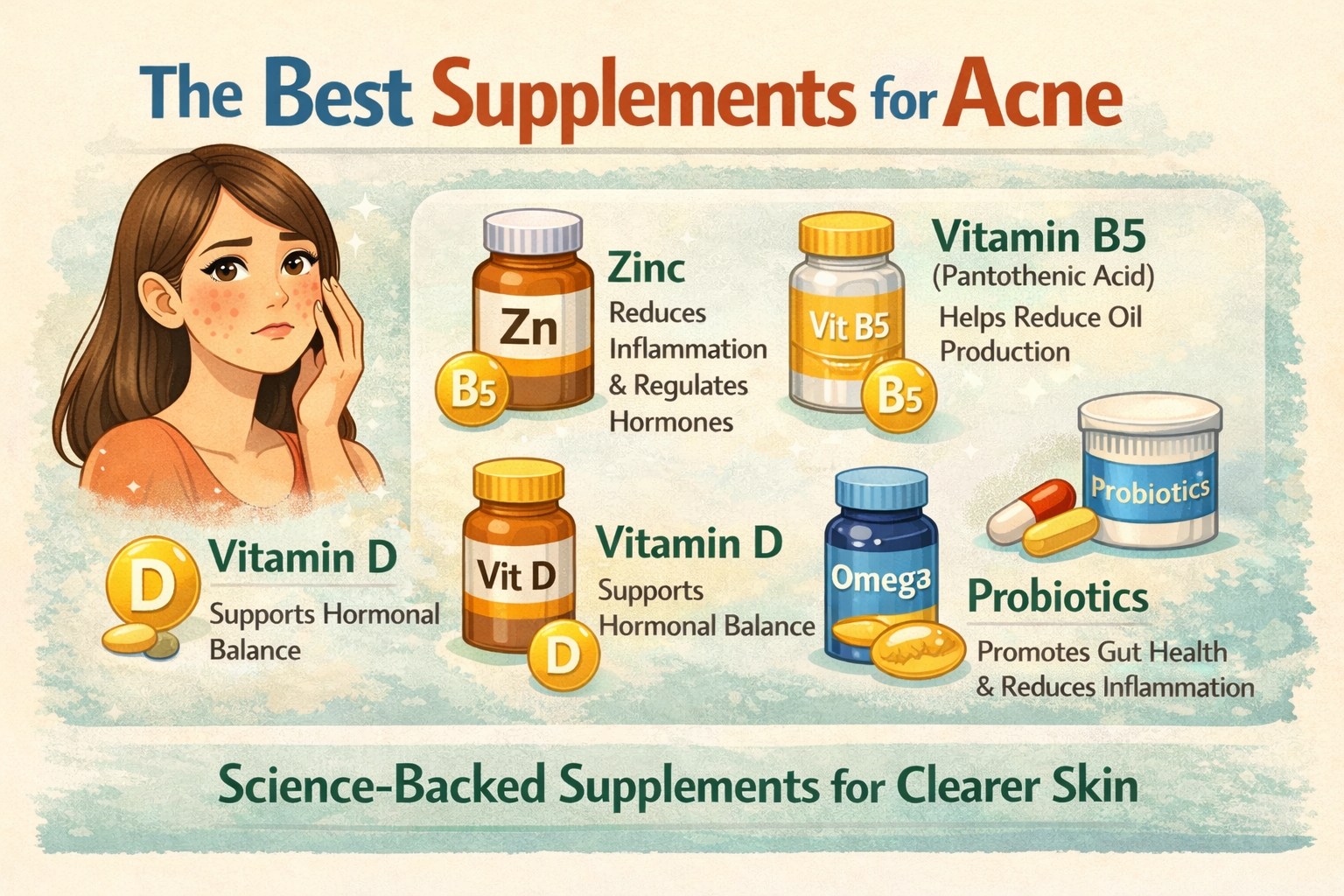
Introduction to Acne Treatment
This guide is for individuals struggling with acne who are interested in supplement-based solutions. Whether you are dealing with mild breakouts or persistent, severe acne, understanding how supplements can support your skin health is essential. We will cover the most effective supplements, how they work, and how to use them safely as part of a comprehensive acne treatment plan.
Supplements can play a crucial role in supporting skin health and reducing acne when used alongside other treatments. This guide reviews the best supplements for acne, including vitamins, minerals, and probiotics, to help you find effective solutions. Understanding the causes of acne, such as hormonal fluctuations and skin inflammation, is key to finding the right approach for your needs.
Quick Summary: Top Recommended Supplements for Acne
For those seeking quick answers, here is a summary table of the top recommended supplements for acne, along with their primary benefits:
|
Supplement |
Key Benefits |
Notes/Cautions |
|---|---|---|
|
Vitamin B5 (Pantothenic Acid) |
Decreases oil production, supports skin cell turnover |
Consult healthcare provider for dosing |
|
Vitamin C and E |
Promotes collagen production, protects against skin damage |
High doses may cause digestive upset |
|
Zinc (gluconate, sulfate, picolinate) |
Promotes wound healing, reduces inflammation, regulates oil production |
High doses can cause copper deficiency |
|
Probiotics (Lactobacillus, Bifidobacterium) |
Supports gut health, lowers systemic inflammation |
Choose strains with proven benefits |
|
Vitamin D |
Regulates immune function, reduces inflammation |
Excessive intake can be harmful |
|
Omega-3 Fatty Acids (EPA and DHA)* |
Reduces inflammation, supports skin barrier, decreases oil production |
May interact with blood thinners |
*EPA and DHA are types of omega-3 fatty acids found in fish oil and some plant sources.
Understanding Acne
Acne is a complex skin condition that involves clogged pores caused by excess oil production and the accumulation of dead skin cells, leading to inflammation and bacterial infection. Hormonal acne (acne caused by hormonal fluctuations), also known as inflammatory acne vulgaris, is a common form of acne that is triggered by changes in hormone levels, which can increase oil production and contribute to clogged pores.
Severe acne, including cystic acne and moderate acne, can be challenging to treat and may require a combination of prescription medications and supplements. Acne can also be triggered by other factors, such as stress, diet, and environmental influences, all of which can trigger breakouts.
Transition: Now that we've covered what acne is and its main causes, let's explore how nutrition can impact your skin health.
The Role of Nutrition in Acne
A healthy diet rich in fruits, vegetables, and whole grains can help support skin health and reduce the risk of acne. Including healthy fats, such as those from seeds, fish, and nuts, is important for the absorption of fat-soluble nutrients and can promote skin clarity.
Essential Fatty Acids
Essential fatty acids, such as omega-3s (including EPA and DHA), can help reduce inflammation and promote healthy skin.
Vitamins for Skin Health
- Vitamin C and Vitamin E: Help protect the skin from damage and promote collagen production.
- Vitamin B Complex: Includes B vitamins like pantothenic acid (B5), B6, B3 (niacinamide), B7 (biotin), and B12, which play a key role in supporting skin metabolism, hormonal regulation, and overall skin health.
A diet that is high in processed foods and sugar can trigger acne breakouts and worsen skin inflammation.
Transition: Nutrition is just one piece of the puzzle. Next, let's see how gut health is connected to acne.
Gut Health and Acne
The gut microbiome plays a crucial role in skin health, and an imbalance of gut bacteria can contribute to acne. There is a strong relationship between gut health, hormonal balance, and acne: a healthy gut supports proper hormone metabolism and immune function, both of which are essential for clear skin.
- Probiotics (such as lactobacillus and bifidobacterium): Support gut health and reduce inflammation.
- Prebiotics (such as fiber): Support the growth of beneficial gut bacteria.
A healthy gut microbiome is essential for immune function and hormone regulation, both of which are important for skin health.
Transition: Now that we've explored the role of gut health, let's look at how hormones can influence acne.
Hormonal Acne and Birth Control
Hormonal acne (acne caused by hormonal fluctuations) is a common form of acne, particularly in women, with hormonal balance and hormone metabolism playing a key role in its development. Adult acne is often influenced by changes in estrogen metabolism and hormonal balance, which can affect the severity and persistence of acne in adults.
- Birth control pills: Can help to regulate hormonal imbalances and reduce acne symptoms, but some types (especially those with high estrogen) may trigger breakouts.
- Other hormonal treatments: Such as spironolactone, can also be effective in treating hormonal acne.
Transition: Hormones are just one factor—let's dive into the specific vitamins and minerals that can help manage acne.
Vitamins and Minerals for Acne
A variety of vitamins and minerals can support skin health and reduce acne symptoms. Below, we break down the most important ones:
Vitamin A
- Role: Promotes cell turnover and reduces inflammation.
- How it works: Includes retinoic acid, which is also used in topical treatments.
- Cautions: Oral vitamin A supplements should be used under professional guidance due to potential toxicity.
Vitamin D
- Role: Regulates immune function and reduces inflammation.
- How it works: Supports healthy skin cell turnover and immune response.
- Cautions: Excessive intake can be harmful.
Zinc
- Role: Promotes wound healing and reduces inflammation.
- How it works: Includes forms like zinc gluconate, zinc sulfate, and zinc picolinate.
- Cautions: High doses can cause copper deficiency.
Vitamin C and E
- Role: Protect the skin from damage and promote collagen production.
- How it works: Both have potent anti-inflammatory properties.
- Cautions: High doses may cause digestive upset.
Table: Vitamins and Minerals for Acne
|
Supplement |
Mechanism of Action |
Cautions/Notes |
|---|---|---|
|
Vitamin A |
Promotes cell turnover, reduces inflammation |
Use under medical supervision |
|
Vitamin D |
Regulates immune function, reduces inflammation |
Avoid excessive intake |
|
Zinc |
Promotes healing, reduces inflammation, regulates oil |
High doses may cause copper deficiency |
|
Vitamin C/E |
Antioxidant, promotes collagen, reduces inflammation |
High doses may cause digestive upset |
Transition: In addition to these vitamins and minerals, let's take a closer look at the role of vitamin B5 in acne management.
Vitamin B5 (Pantothenic Acid) and Acne
Pantothenic Acid (vitamin B5) is an essential water-soluble vitamin that plays a key role in skin health and hormone regulation. It is important for maintaining healthy skin as it is involved in the synthesis and metabolism of proteins, fats, and carbohydrates.
Research suggests that vitamin B5 may help reduce acne by decreasing oil production in the skin and supporting skin cell turnover. Pantothenic acid is thought to improve the skin’s barrier function and reduce skin inflammation, making it beneficial for individuals with inflammatory skin conditions like acne.
Some studies have found that oral supplementation with vitamin B5 can lead to improvements in acne severity, particularly when combined with other B vitamins as part of a vitamin B complex. However, more research is needed to fully understand its effectiveness and optimal dosing for acne treatment.
Vitamin B5 is generally considered safe when taken at recommended doses, but it is important to consult with a healthcare provider before starting any new supplement regimen. It can be found naturally in foods such as eggs, meat, avocados, and whole grains, as well as in dietary supplements formulated for skin health.
Transition: Now, let's discuss how supplements can help with acne scars and skin healing.
Acne Scars and Supplements
Supplements can play a supportive role in improving the appearance of acne scars and promoting skin healing:
- Vitamin C and E: Promote collagen production and improve skin texture.
- Zinc and Omega-3 Fatty Acids: Reduce inflammation and promote wound healing.
- Topical treatments: Such as retinoic acid (a vitamin A derivative used in topical acne medications) and benzoyl peroxide (a common topical acne medication), can also be effective in treating acne scars.
- Combination therapy: Using supplements alongside topical treatments may be the most effective way to treat acne scars.
Transition: With a better understanding of how supplements can help with scars, let's look at the best supplements for acne-prone skin overall.
The Best Supplements for Acne-Prone Skin
Here are the top supplements recommended for acne-prone skin, along with their key benefits:
- Vitamin B5: Reduce oil production and support skin health.
- Omega-3 Fatty Acids (EPA and DHA): Reduce inflammation, decrease oil production, and support the skin barrier for improved resilience and acne management.
- Probiotics (Lactobacillus, Bifidobacterium): Support gut health, reduce inflammation, and are beneficial for inflammatory skin conditions.
- Vitamin D (especially D3): Regulates immune function and reduces inflammation.
- Zinc: Reduces oil production and supports wound healing, which are key factors in acne development.
- Vitamin C: Supports collagen production and skin repair.
Transition: These supplements can help reduce the severity of acne. Next, let's discuss how they fit into a broader acne management strategy.
Acne Severity Reduction
Reducing acne severity often requires more than just a single solution—it’s about combining the right dietary supplements, topical acne treatments, and a consistent skincare routine. For those struggling with hormonal acne or severe acne, certain supplements can make a significant difference.
- Vitamin D: Supports healthy skin by regulating skin cell turnover and providing anti-inflammatory properties.
- Omega-3 Fatty Acids: Offer potent anti-inflammatory benefits that help calm skin inflammation and decrease the severity of breakouts.
When these supplements are used alongside proven topical acne treatments (such as benzoyl peroxide, a common topical acne medication, and retinoic acid, a vitamin A derivative used in topical acne medications) and a steady skincare regimen, they can help reduce acne severity and promote clearer, healthier skin. By addressing both internal and external factors, individuals can take a comprehensive approach to treat acne and achieve lasting results.
Transition: Managing acne isn't just about reducing breakouts—hydration and skin barrier support are also important, especially for those with dry skin.
Supplements for Dry Skin
Managing dry skin, especially when it’s also acne-prone, can be challenging. Fortunately, certain dietary supplements can help support skin health and improve skin hydration.
Key Supplements for Dry, Acne-Prone Skin
- Vitamin E: Maintains skin moisture and protects against environmental damage.
- Essential Fatty Acids (Omega-3s): Reduce inflammation and strengthen the skin’s natural barrier, helping to lock in moisture.
- Zinc Gluconate: Reduces inflammation and promotes wound healing, which can be particularly helpful for those experiencing both dryness and acne.
By incorporating these supplements into your daily routine, you can help support your skin’s barrier function, reduce inflammation, and maintain a healthy, hydrated complexion.
Transition: Now that we've covered the best supplements for different skin needs, let's discuss how to choose the right supplement for you.
Choosing the Right Supplement
When choosing a supplement for acne, consider the following:
- Assess your skin type, acne severity, and other health factors.
- Look for supplements made with high-quality ingredients and free from fillers and additives.
- Consult with a healthcare professional before starting any new supplement, especially if you have a history of allergies or sensitivities.
- Be patient, as supplements can take time to work and may need to be combined with other treatments for optimal results.
Transition: Safety is paramount when using supplements. Let's review important safety considerations and potential interactions.
Safety and Interactions
When considering supplements for acne, it’s important to prioritize safety and be mindful of potential interactions with prescription medications.
- Some supplements, like vitamin A, can interact with certain drugs and may cause adverse effects if taken in high doses, especially for pregnant women.
- Individuals with sensitive skin should introduce new supplements gradually, as some ingredients may trigger irritation or allergic reactions.
- Always consult with a healthcare provider before starting any new supplement, particularly if you are already taking prescription medications, are pregnant, or have underlying or pre-existing health conditions.
Remember, supplements for acne are designed to support skin health and reduce acne severity, but they should not replace prescription treatments. Instead, use them as part of a comprehensive approach to achieve the best results for your skin.
Transition: Supplements work best when combined with other treatments and healthy lifestyle habits. Let's see how to integrate them into your routine.
Combining Supplements with Other Treatments
Supplements can be used in conjunction with topical treatments, such as:
- Benzoyl peroxide (a common topical acne medication)
- Retinoic acid (a vitamin A derivative used in topical acne medications)
- Nicotinamide and other topical agents
Combination therapy, including supplements and prescription medications, may be the most effective way to treat severe acne. Prescription treatment is especially important for some individuals who require medical intervention.
Lifestyle changes, such as a healthy diet and regular exercise, can also help to support skin health and reduce acne symptoms. Stress management techniques, such as meditation and yoga, can also help to reduce stress and promote healthy skin.
Transition: In addition to supplements and treatments, daily habits play a big role in maintaining clear skin.
Additional Tips for Clear Skin
- Stay hydrated by drinking plenty of water and limiting sugary drinks.
- Get regular exercise, such as walking or yoga, to reduce stress and promote healthy skin.
- Eat a healthy diet rich in fruits, vegetables, and whole grains, and limit processed foods and sugar.
- Get enough sleep, aiming for 7-8 hours per night, to help regulate hormones and reduce stress.
Transition: Finally, let's recap why healthy skin matters and how you can maintain it long-term.
The Importance of Healthy Skin
- Healthy skin is essential for overall health and well-being, and can help to boost self-confidence and self-esteem.
- Skin health is closely linked to gut health, and an imbalance of gut bacteria can contribute to acne and other skin conditions.
- A healthy diet and lifestyle, including regular exercise and stress management, can help to support skin health and reduce the risk of acne and other skin conditions.
- Consult with a healthcare professional for personalized advice on maintaining healthy skin.
ClearB5: A Comprehensive Supplement for Acne Support
For those seeking a convenient and effective way to incorporate many of the vitiamins and minerals discussed in this guide, ClearB5 offers a well-rounded supplement designed specifically for acne-prone skin. It combines key ingredients such as vitamin B5 (pantothenic acid), zine, vitamin C, vitamin B3, and other essential nutrients that support skin health, reduce inflammation, and promote hormonal balance.
ClearB5 is formulated to provide a complete vitamin supplement approach, making it an excellent option for acne patients looking to complement their skincare routine with oral supplementation. By addressing multiple factors involved in acne pathogenesis, including oil production, skin cell turnover, and immunce function, ClearB5 can be a valuable addition to a comprehensive acne management plan.
As always, consult with a healthcare professional before starting any new supplement, especially if you have underlying health conditions or are taking prescription medications.
- Learn more about the Best Supplement Brands for Acne
- Learn more about Vitamin Deficiencies Linked to Acne
Medical Disclaimer
This article is for informational purposes only and does not substitute professional medical advice. Always consult a qualified healthcare provider before starting supplements or changing medical treatment. These statements have not been evaluated by the Food and Drug Administration. This product is not intended to diagnose, treat, cure, or prevent any disease.


