
What Is Fungal Acne? A Simple Guide to Clearer Skin
If you have stubborn breakouts that do not respond to typical acne treatments, you may be wondering what is fungal acne and whether it could be affecting your skin. Fungal acne is often mistaken for regular acne, but it has a different cause and requires a different approach.
This guide explains what fungal acne is, how to recognize it, and how to treat it effectively.
What Is Fungal Acne?
Fungal acne, also known as Malassezia folliculitis or pityrosporum folliculitis, is a skin condition caused by an overgrowth of yeast in the hair follicles. This yeast naturally lives on the skin, but when it grows out of balance, it can lead to inflammation and acne-like bumps.
Unlike bacterial or hormonal acne, fungal acne is not caused by bacteria. This is why many traditional acne treatments do not work for it.
How Fungal Acne Develops
Malassezia yeast feeds on oil produced by the skin. When oil, sweat, and heat build up, the yeast can multiply too quickly. This irritates the hair follicle and causes fungal acne breakouts.
Common Triggers
- Hot and humid environments
- Excessive sweating
- Tight or non breathable clothing
- Oily skin types
- High sugar diets
- Prolonged use of antibiotics
Who Is Most at Risk?
Fungal acne is most common in adults between 20 and 40 years old. People with oily or combination skin are more likely to experience it. It is also more common in warm climates where heat and sweat create ideal conditions for yeast growth.
Fungal Acne vs Bacterial Acne
Understanding the difference helps ensure proper treatment.
Bacterial Acne
- Caused by bacteria
- Includes blackheads, whiteheads, and cysts
- Often responds to benzoyl peroxide or antibiotics
Fungal Acne
- Caused by yeast overgrowth
- Appears as small, uniform red bumps
- Often itchy or irritated
- Does not respond to traditional acne products
Symptoms of Fungal Acne
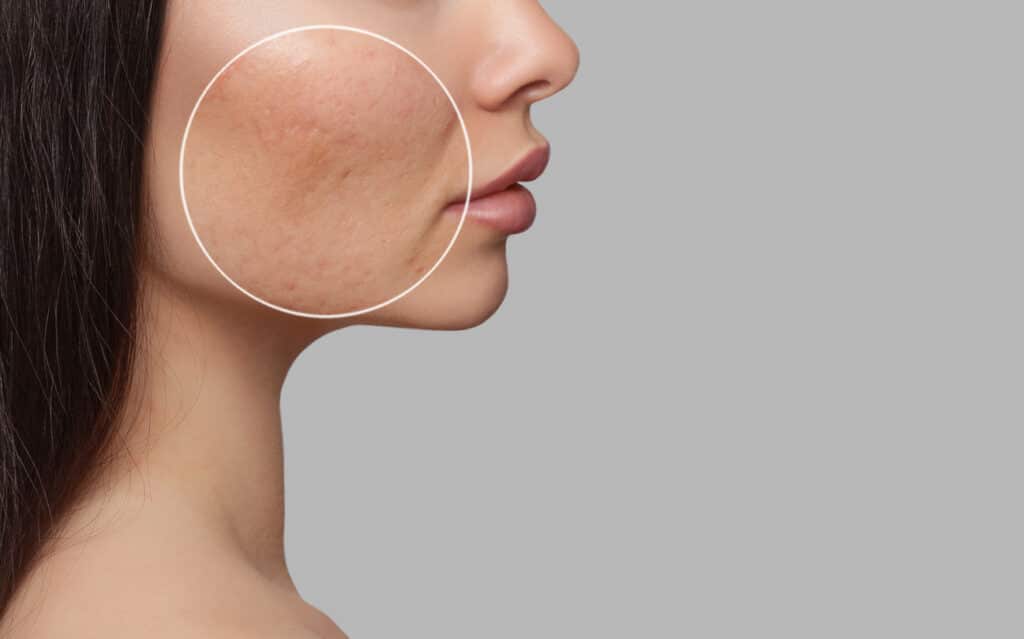
Fungal acne tends to look and feel different from typical acne.
What It Looks Like
- Small red or skin-colored bumps
- Uniform size and shape
- No visible blackheads or whiteheads
Where It Commonly Appears
- Forehead and hairline
- Chest and upper back
- Shoulders
- Sometimes arms or scalp
How It Feels
- Itchy or irritated
- Sensitive when rubbed or touched
How Fungal Acne Is Diagnosed
A dermatologist can diagnose fungal acne through a physical exam and, if needed, simple tests such as a skin scraping. This helps rule out bacterial acne or other skin conditions with similar symptoms.
How to Treat Fungal Acne
Treating fungal acne requires targeting yeast rather than bacteria.
Antifungal Treatments
Look for products containing:
- Ketoconazole
- Zinc pyrithione
- Sulfur
These ingredients help reduce yeast overgrowth in the hair follicles.
What to Avoid
- Heavy oils and thick moisturizers
- Products with coconut oil or olive oil
- Overusing antibacterial acne treatments
Lifestyle Adjustments
- Shower promptly after sweating
- Wear loose, breathable clothing
- Reduce sugar intake
- Keep skin clean without over cleansing
If symptoms continue, a dermatologist may recommend prescription antifungal treatments.
How to Prevent Fungal Acne
Prevention focuses on keeping yeast growth under control.
- Cleanse gently twice daily
- Avoid sharing towels or hair tools
- Use lightweight, non oily skincare
- Keep skin dry in humid conditions
Consistency plays a major role in managing fungal acne long term.
Is Fungal Acne Contagious?
No. Fungal acne is not contagious and cannot be passed from person to person. It develops due to internal and environmental factors that allow yeast on your own skin to overgrow.
Fungal Acne Friendly Skincare Tips
When choosing skincare products, look for formulas that are lightweight and fungal-acne friendly.
Helpful Ingredients
- Tea tree oil
- Salicylic acid
- Sulfur
- Zinc based cleansers
Avoid rich creams and oil based products that may worsen fungal acne.
What Is Fungal Acne? Final Thoughts
So, what is fungal acne? It is a yeast-driven skin condition that looks like acne but behaves very differently. Once you understand the cause, treating it becomes much easier. With the right routine and consistency, fungal acne can often be managed and cleared effectively.
Click the link if you’re looking to treat pimples naturally to help with your overall appearance and learn what ClearB5 can do for you.
References:
- Malassezia (Pityrosporum) Folliculitis (National Library of Medicine, Richard M. Rubenstein, MD and Sarah A. Malerich, BS).
- What is Fungal Acne or Pityrosporum Folliculitis? (Ohio State University - Wexner Medical Center, Susan Massick, MD).
Note:
It's important to keep in mind that these options may not work for everyone. Please consult with a healthcare professional before starting any new treatment.


